Why Drivers in Bowling Green Choose Musser Automotive for European and Domestic Repairs
When drivers search for auto repair near you in Bowling Green, they are usually trying to answer a bigger question: who can actually diagnose their vehicle correctly and not just replace parts until something works.
At Musser Automotive, located at 1343 Old Louisville Rd in Bowling Green, KY, that concern is something we see every day. Since 2014, owner Jason Musser has worked with drivers across Bowling Green and Warren County, including the WKU area, Shawnee Estates, Plum Springs, Old Stone, and commuters traveling along I-65 toward Nashville. The focus has always been the same:
accurate diagnostics first, repairs second. In practice, that means working through a structured process supported by complete diagnostic and repair services for all types of vehicles before any parts are replaced.
Many customers come in after dealing with unclear answers or repeated repairs elsewhere. By that point, they are not just dealing with a car problem, they are trying to avoid making another expensive mistake. What they are really looking for is confidence that the issue will be identified correctly the first time. That is why so much of the process is centered around explaining what is happening with the vehicle and why a specific repair is recommended.
As an ASE Certified and AAA Approved auto repair shop in Bowling Green, KY, Musser Automotive works on European, domestic, Asian, diesel, and high-mileage vehicles. That broad experience makes it easier to explain the real differences between vehicle types, especially when it comes to maintenance expectations, diagnostics, and long-term ownership costs.
European vs Domestic Auto Repair Starts With Different Engineering Philosophies
The difference between European and domestic vehicles usually shows up the first time something goes wrong. They are built differently, and that changes how they fail and how they need to be diagnosed.
Real-world example
A Bowling Green driver brought in a late-model European sedan with a check engine light and reduced power. Another shop had suggested replacing multiple sensors based on stored codes. Instead of starting with parts, the diagnostic process focused on confirming the cause. A small vacuum leak was found that was skewing airflow readings. Once repaired, the codes cleared and the vehicle returned to normal without replacing any of the originally suggested parts.
This is where engineering philosophy matters. On many European vehicles, a small imbalance can trigger larger symptoms, so precision testing matters more than assumptions.
The difference between European and domestic vehicles begins long before a repair is needed. It starts with how each vehicle is engineered and what the manufacturer prioritizes.
European manufacturers such as BMW, Mercedes, and Audi design vehicles with a strong focus on performance and precision. Engines are built with tighter tolerances and rely heavily on electronic systems to fine-tune operation in real time. This results in a more responsive driving experience, but it also means small issues can quickly trigger warning lights or noticeable drivability problems.
Domestic manufacturers like Ford, Chevy, and Ram typically focus more on durability and ease of service. These vehicles are built to handle a wider range of conditions and are often more forgiving when it comes to maintenance timing or minor issues. Failures tend to develop more gradually rather than appearing suddenly.
From a diagnostic standpoint, this creates a clear contrast. European vehicles often require detailed system analysis and precise testing, while domestic vehicles are more likely to follow mechanical wear patterns that can be identified through inspection and experience. Neither approach is better or worse, but they require different strategies to diagnose correctly.
How European and Domestic Vehicles Differ at the System Level
When comparing European and domestic vehicles at the system level, the differences become more practical and easier to understand.
In cooling systems, European vehicles frequently use electric water pumps and electronically controlled thermostats. These components improve efficiency and allow the engine to regulate temperature more precisely, but they can fail without much warning and require proper testing to confirm. Domestic vehicles, on the other hand, often rely on mechanical water pumps that wear out over time in a more predictable way.
Timing systems also reflect this contrast. European engines commonly use timing chains with complex guide systems that are designed to last but can become labor-intensive to repair if they fail. Domestic engines may use chains or belts as well, but access is generally simpler, which reduces labor time and overall repair complexity.
Oil systems highlight another key difference. European vehicles require manufacturer-specific oil specifications that are designed to protect high-performance components and tight tolerances. Using the wrong oil can lead to long-term damage. Domestic vehicles are typically less sensitive to exact specifications, but proper oil selection still plays a major role in engine longevity.
These system-level differences are why the diagnostic process varies so much between vehicle types. The approach has to match the way the vehicle was designed to operate.
Why European Auto Repair in Bowling Green, KY Requires Specialized Diagnostics and Tools
European vehicles rely on complex electronic systems that communicate constantly across multiple control modules. What many drivers don’t realize is that fault codes rarely tell you what part to replace. They point to a system that isn’t operating correctly, which still requires testing to confirm the actual cause. This network, often referred to as a CAN bus system, allows different parts of the vehicle to share information in real time. While this improves performance and efficiency, it also makes diagnostics more involved.
When an issue occurs, it is common to see multiple fault codes that are all related to a single underlying problem. Without the right tools and experience, it is easy to focus on the wrong code and replace parts that are not actually failing.
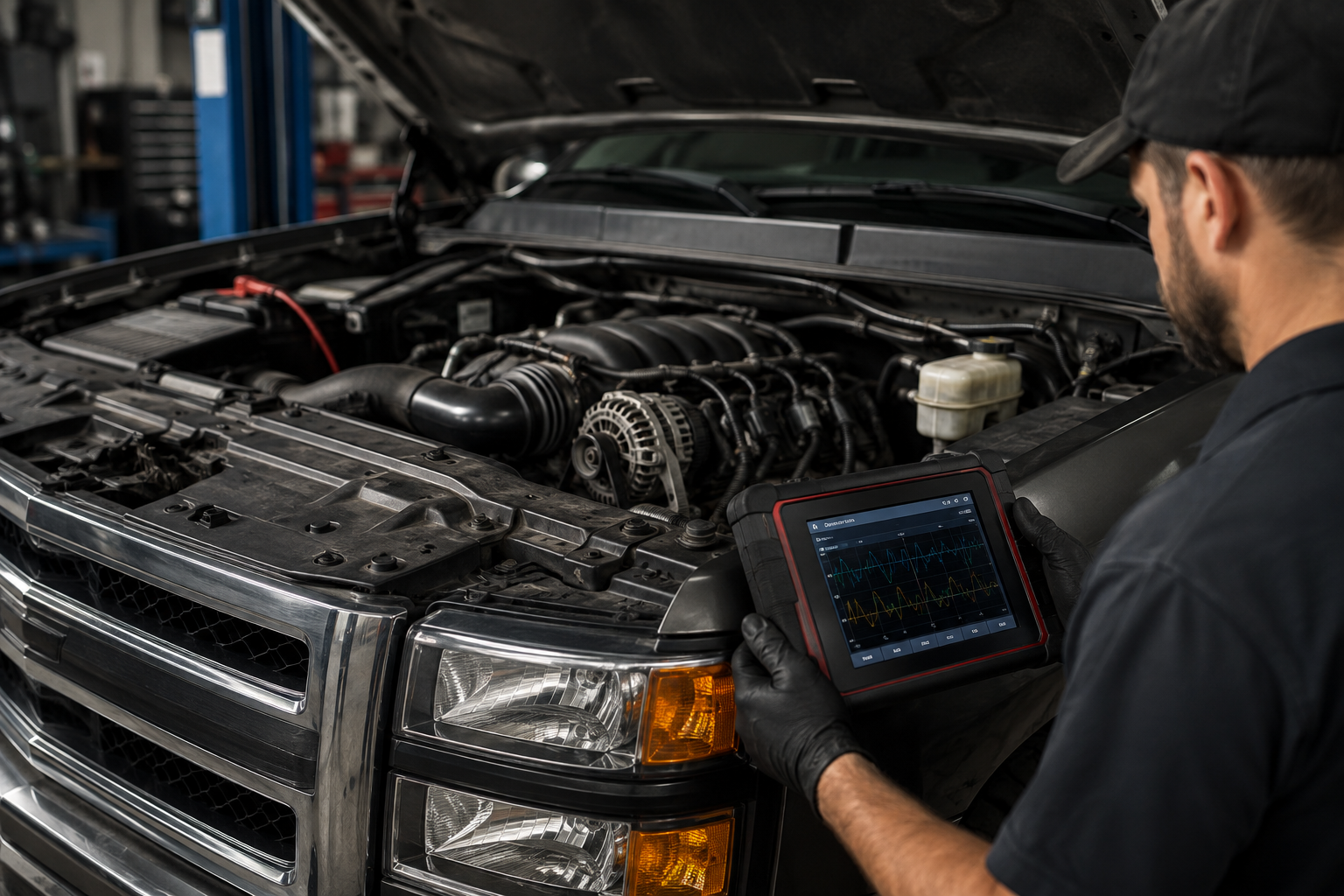
A proper diagnostic process for European vehicles typically involves advanced scan tools, live data analysis, and electrical testing to confirm how each system is behaving. In some cases, repairs also require recalibration or relearn procedures to ensure the system operates correctly after the fix.
This is why not every shop works on European vehicles. Codes do not diagnose cars on their own. Testing is what confirms the actual cause. It is not just about having tools, but understanding how to interpret the data those tools provide. Without that, misdiagnosis becomes much more likely.
Domestic Auto Repair in Bowling Green, KY Is Often More Straightforward But Not Always Simpler
Domestic vehicles are often considered easier to repair, but that does not mean they are always simple to diagnose. One of the most common misconceptions is that domestic vehicles are always cheaper to fix. Individual repairs may cost less, but delayed maintenance can lead to larger, more expensive issues over time. They tend to follow more predictable failure patterns, but those patterns still require accurate identification.
For example, Ford EcoBoost engines are known for carbon buildup on intake valves, GM engines can experience lifter failures related to cylinder deactivation systems, and Ram trucks may develop camshaft wear over time. These issues are well documented, but confirming them still requires proper testing.
In many cases, domestic vehicle issues involve mechanical wear rather than electronic complexity. That can make repairs more straightforward once the problem is confirmed. However, skipping the diagnostic step and relying on assumptions can still lead to unnecessary repairs.
The key difference is not that domestic vehicles are easier, but that they fail in more predictable ways. That predictability helps, but it still requires confirmation before replacing parts. Accurate diagnostics still determine whether the repair is done correctly the first time.
Why Fluid Specifications Matter in European Auto Repair
Fluid specification is one of the most overlooked aspects of European vehicle maintenance. Unlike many domestic vehicles, European engines are designed around very specific oil standards that affect how the engine performs and wears over time.
These specifications, such as BMW LL-01 or Mercedes 229.5, are not just recommendations. They are requirements that account for engine design, temperature range, and performance expectations. Using oil that does not meet these standards can lead to sludge buildup, accelerated wear, and even damage to components like timing chains or turbochargers.
Domestic vehicles are generally more flexible with fluid specifications, but that does not mean incorrect fluids are harmless. Over time, using the wrong oil or coolant can still reduce engine life and create preventable issues.
Proper fluid selection is a small detail that has a major impact on long-term reliability, especially for vehicles with higher mileage.
High-Mileage European vs Domestic Vehicles — What Fails First?
As vehicles move past 100,000 miles, patterns start to emerge in how different systems wear and fail. In Bowling Green, a mix of short in-town trips and highway driving on I-65 can accelerate wear on cooling systems and suspension components, especially for commuters moving between city and interstate conditions.
If a vehicle has a consistent service history, many of these issues can be addressed gradually. If maintenance has been inconsistent, it is more common to see multiple failures at once. These patterns differ between European and domestic vehicles.
European vehicles often begin to show issues related to seals, gaskets, and electronic components. Oil leaks, cooling system failures, and sensor-related problems become more common as components age and systems operate under higher precision demands.
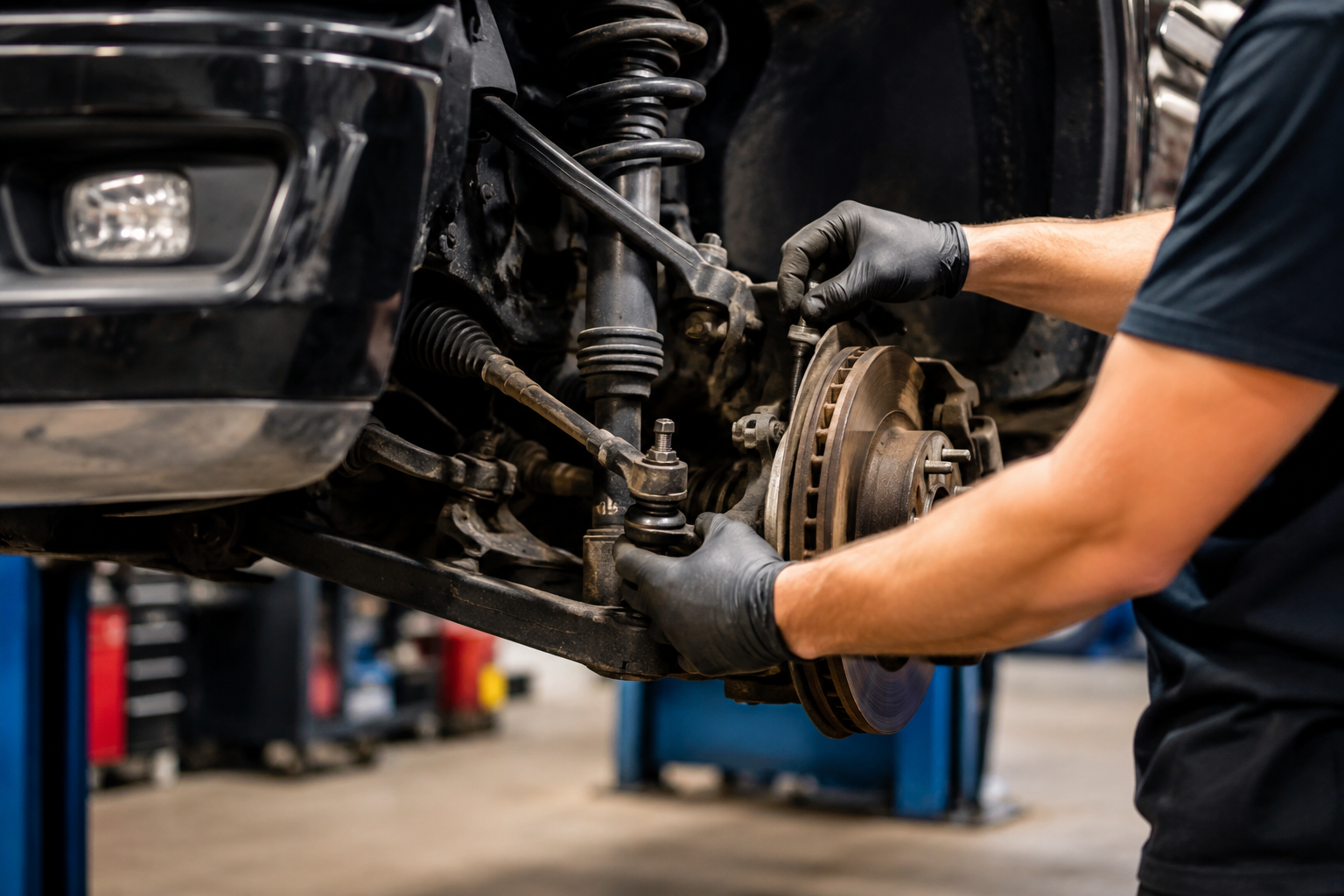
Domestic vehicles tend to develop issues related to mechanical wear. Transmission performance, suspension components, and ignition systems are more likely to require attention over time. These issues often develop gradually and can sometimes be managed before they become severe.
The main difference is how each type of vehicle responds to maintenance. European vehicles typically require consistent upkeep to avoid costly repairs, while domestic vehicles may tolerate delays in maintenance but eventually require more significant repairs if those delays continue.
Long-Term Ownership Costs of European vs Domestic Vehicles
One of the most common questions drivers ask is whether European vehicles are more expensive to maintain. The answer depends less on the brand and more on how the vehicle is maintained over time.
European vehicles generally involve higher parts costs and more labor-intensive repairs. Not every European vehicle becomes expensive to maintain. When maintenance has been consistent, many remain predictable and manageable. Costs typically rise when multiple systems have been neglected at the same time. They also require more consistent maintenance to prevent issues from developing. However, when properly maintained, they can provide reliable performance for many years.
Domestic vehicles typically have lower repair costs and simpler service requirements. They are often more forgiving when maintenance is delayed, but that can lead to larger repairs later if issues are not addressed early.
In both cases, misdiagnosis is the most expensive outcome. Replacing the wrong parts or failing to identify the root cause leads to higher costs regardless of the vehicle type.
A Real Diagnostic Comparison Between European and Domestic Vehicles
A real-world comparison highlights how different these vehicles can be when diagnosing issues.
A BMW came in with multiple warning lights after another shop had already replaced oxygen sensors and ignition coils. The issue remained unresolved. By analyzing scan data and reviewing live system information, the actual problem was traced back to a faulty mass airflow sensor that was affecting fuel trim calculations.
In a separate case, a Ford F-150 came in with a rough idle and loss of power. Previous repairs focused on replacing spark plugs, but the issue persisted. A deeper inspection revealed carbon buildup on the intake valves, which is a known issue for EcoBoost engines.
Both vehicles had been misdiagnosed initially, but the root causes were completely different. The difference came down to using the correct diagnostic approach for each platform. What fails is not always what is broken, and that is where most unnecessary repairs start.
The Hard Truth About High-Mileage European Vehicles in Bowling Green, KY
As European vehicles age, the cost of maintaining them can increase, especially if maintenance has been inconsistent. At a certain point, it becomes important to evaluate whether continued repairs make sense based on the vehicle’s value and overall condition.
This is where honest guidance matters. Not every situation calls for continued repairs, and understanding when to repair versus when to move on is part of making a practical decision.
A shop that focuses on transparency will help outline those options clearly, allowing the driver to make an informed choice rather than feeling pressured into a specific outcome. In some cases, that conversation leads to repairing the vehicle. In others, it leads to stepping back and re-evaluating whether continued repairs make sense.
What to Ask Before Choosing a Mechanic in Bowling Green, KY
Choosing the right shop often comes down to how the diagnostic process is handled. The most important step is understanding how the issue was identified before any repair is approved.
Asking questions about the diagnostic process, repair urgency, and verification after completion can provide insight into how a shop operates. A quick follow-up question can also help: ask what testing confirmed the issue. If there is no clear answer, the diagnosis may not be complete. Clear and direct answers usually indicate a structured approach, while vague responses can suggest that the issue has not been fully confirmed.
Paying attention to how information is explained is just as important as the answer itself. A shop that can clearly communicate what is happening with the vehicle is more likely to provide consistent and reliable results.
Common Questions About European vs Domestic Auto Repair
Drivers often want straightforward answers when comparing European and domestic vehicles.
European vehicles can be more expensive to maintain, but consistent maintenance helps control those costs. Reliability depends more on how a vehicle is maintained than the brand itself. European vehicles typically require specialized tools and knowledge, which is why choosing a shop with the right experience is important.
Ultimately, the decision between European and domestic vehicles comes down to driving preferences, budget, and willingness to maintain the vehicle properly over time. There is no universal right choice, only the one that fits how the vehicle will actually be used.
Schedule European or Domestic Auto Repair in Bowling Green, KY
If you are looking for a trusted auto repair shop in Bowling Green, KY, Musser Automotive provides a structured approach to diagnostics and repair backed by experienced local technicians who focus on accurate diagnostics.
The process focuses on identifying the issue accurately, explaining the findings clearly, and helping you decide what needs attention now versus what can be planned for later. If you are dealing with a warning light or a problem that has not been clearly explained, starting with a proper diagnostic process is what usually makes the difference. Most diagnostic appointments take about one to two hours depending on the issue, and you will receive a clear explanation before any repair is recommended.
1343 Old Louisville Rd, Bowling Green, KY
(270) 904-0267
Follow us on Facebook
Whether you drive a BMW, Mercedes, Audi, Ford, Chevy, or Ram, the goal is the same: understand the problem correctly and resolve it the right way the first time.