If your brakes are squeaking while driving through Bowling Green, vibrating when stopping near WKU, or grinding during traffic on Scottsville Road, one question matters more than anything else:
Is your vehicle still safe to drive?
At Musser Automotive in Bowling Green, KY, this is one of the most common concerns drivers bring into the shop. Many customers search for “brake repair near me” after hearing unusual noises or noticing a change in how their vehicle stops, but they are unsure whether the issue is minor maintenance or an urgent safety problem.
The truth is simple:
Brake issues almost never improve on their own.
A small brake problem can quickly become rotor damage, caliper failure, reduced stopping ability, or a dangerous emergency situation if ignored. Understanding the warning signs early can protect your safety, reduce repair costs, and help prevent larger mechanical failures.
At Musser Automotive, located at 1343 Old Louisville Rd in Bowling Green, KY, drivers receive honest brake inspections, clear explanations, and professional recommendations backed by ASE Certified technicians and AAA Approved service standards. Since opening in 2014, Musser Automotive has built a reputation throughout Bowling Green, Plum Springs, Shawnee Estates, Old Stone, and the WKU area for trusted auto repair and transparent diagnostics.
Why Brake Problems Should Never Be Ignored
Your braking system is the single most important safety system on your vehicle.
Engine problems may leave you stranded. Brake problems can prevent you from stopping safely.
Every time you hit the brakes, the system creates a surprising amount of heat and friction. Over time, that constant stress wears down pads, rotors, and other braking components. Several parts work together every time the vehicle slows down:
- Brake pads create friction
- Rotors absorb and dissipate heat
- Calipers apply hydraulic pressure
- Brake fluid transfers force through the system
- Suspension and steering components stabilize the vehicle during stopping
When one part begins to fail, the rest of the system experiences additional stress.
For example:
Worn brake pads → damaged rotors → overheating calipers → increased stopping distance → possible brake failure
This chain reaction is extremely common in vehicles that continue driving after early warning signs appear.
At Musser Automotive, technicians routinely inspect vehicles where customers initially ignored a small squeak that later became severe grinding, rotor damage, or dangerous stopping problems.
Signs Your Brakes May Not Be Safe to Drive
One of the biggest misconceptions drivers have is assuming all brake noises mean the same thing.
They do not.
Some symptoms indicate routine wear. Others indicate immediate safety concerns.
When You Should Stop Driving Immediately
If your vehicle shows any of these symptoms, it should be inspected as soon as possible:
- Grinding noise while braking
- Soft or sinking brake pedal
- Vehicle pulling left or right when braking
- Steering wheel shaking during braking
- Burning smell near wheels
- Brake warning light illuminated
- Increased stopping distance
- Pulsation through the brake pedal
- Metallic scraping sounds
- Brake fluid leaks
- ABS or traction control warning lights appearing alongside braking symptoms
These symptoms often indicate advanced wear, electronic braking system concerns, or hydraulic issues that can reduce stopping ability.
In newer vehicles, ABS or traction control warning lights appearing alongside brake symptoms may indicate electronic braking system faults that should be diagnosed immediately.
A light squeak during the first few stops on a damp Bowling Green morning may not always indicate an emergency, especially if braking performance still feels normal. However, if the noise continues after the vehicle warms up, becomes louder over time, or is paired with vibration or pulling, the brakes should be inspected before the issue spreads to the rotors or calipers.
A driver from the WKU area recently brought in a sedan after hearing a faint squeaking noise for several weeks. At first, the brakes only made noise during cold mornings, so the driver assumed it was normal moisture buildup. Over time, the squeak turned into a grinding sound during stop-and-go traffic near Scottsville Road.
During inspection, the brake pads were found completely worn through, and the front rotors had deep scoring from metal-on-metal contact. What could have originally been a straightforward brake pad replacement had progressed into rotor replacement and additional caliper inspection because the heat buildup had started affecting surrounding components.
Situations like this are extremely common because brake problems often worsen gradually before becoming suddenly obvious. Many drivers do not realize how quickly repair costs can increase once grinding begins.
Grinding Brakes Are a Serious Problem
Grinding is one of the most dangerous brake symptoms.
Once brake pads wear completely through, metal backing plates contact the rotors directly. This creates metal-on-metal friction that severely damages braking components.
Driving with grinding brakes can lead to:
- Rotor destruction
- Caliper overheating
- Brake fluid boiling
- Reduced stopping power
- Complete brake failure in extreme cases
At that stage, the repair is rarely “just brake pads.”
What Brake Noises Actually Mean
Different sounds often point toward different types of brake problems.
Squeaking Brakes
Light squeaking may indicate:
- Early brake pad wear
- Morning moisture on rotors
- Dust buildup
- Low-quality brake pad material
While squeaking is not always dangerous immediately, it should still be inspected before it worsens. Many drivers assume squeaking brakes can wait indefinitely because the vehicle still stops normally, but early inspections often prevent more expensive rotor damage later.
Grinding Brakes
Grinding usually means:
- Brake pads are completely worn out
- Rotors are damaged
- Metal components are contacting each other
This is unsafe to continue driving.
Clicking or Clunking Sounds
Clicking can indicate:
- Loose brake hardware
- Worn suspension components
- Caliper movement issues
Vibrations While Braking
Brake vibration commonly points toward:
- Warped rotors
- Uneven brake pad wear
- Suspension concerns
- Tire or steering issues
At Musser Automotive, brake inspections include evaluating surrounding suspension and steering systems because many braking complaints originate from multiple overlapping issues.
What Your Brakes Are Actually Doing Every Time You Stop
Understanding how your brake system functions helps explain why small issues escalate quickly.
Brake Pads
Brake pads are friction materials that press against the rotors to slow the vehicle.
They are considered wear items and gradually become thinner over time.
Most brake pads should be replaced before reaching approximately 3mm thickness.
Brake pads do not always wear evenly, which is another reason inspections matter. In some cases, one side may wear much faster because of caliper or hardware issues that are not obvious to the driver.
Brake Rotors
Rotors are metal discs attached to the wheels.
When brake pads clamp against them, heat is generated.
Excessive heat or worn pads can damage rotors through:
- Warping
- Scoring
- Cracking
- Heat spots
Rotors do not always need replacement every time brake pads wear out. However, if the rotors are heavily scored, warped, or below minimum thickness, replacing pads alone usually will not solve vibration or stopping issues.
Brake Calipers
Calipers apply pressure to the brake pads.
A sticking caliper can cause:
- Uneven braking
- Vehicle pulling
- Rapid brake wear
- Overheating
Brake Fluid
Brake fluid transfers hydraulic pressure throughout the braking system.
Contaminated or leaking brake fluid reduces stopping power significantly.
This is why soft brake pedals should never be ignored.
Brake fluid naturally absorbs moisture over time, especially in humid environments like Kentucky. As moisture builds up, braking performance can decline under heavy heat because water lowers the fluid’s boiling point.
Common Causes of Brake Wear in Bowling Green
Driving conditions in Bowling Green create unique stress on braking systems.
Musser Automotive regularly sees accelerated brake wear from:
- Stop-and-go traffic near WKU
- Short trips around downtown Bowling Green
- Highway commuting on I-65
- Heavy summer heat
- High-mileage vehicles common throughout Warren County
- Moisture and humidity causing rotor corrosion
City Driving vs Highway Driving
Drivers who primarily drive around Bowling Green traffic often experience faster brake wear than highway commuters.
Frequent stopping creates more friction and heat.
Short Trips Create Moisture Problems
Vehicles driven only short distances may develop surface rust on brake rotors because the brakes never reach full operating temperature long enough to remove moisture.
Bowling Green’s humidity and seasonal temperature swings can also contribute to overnight rotor rust, especially on vehicles that sit for several days at a time or are driven only a few miles daily.
Heavy Vehicles Wear Brakes Faster
SUVs, trucks, diesel vehicles, and loaded work vehicles place greater stress on brake systems.
Musser Automotive services domestic, Asian, European, diesel, and classic vehicles, giving technicians experience across multiple braking system designs and weight classes.
How Long Brake Pads Typically Last in Bowling Green
Brake pad lifespan varies dramatically depending on driving habits and vehicle type.
Typical brake pad lifespan ranges include:
- 30,000 to 40,000 miles for heavy city driving
- 50,000 to 70,000 miles for highway-focused driving
- Less lifespan for trucks and towing vehicles
Several factors affect brake life:
- Aggressive braking habits
- Vehicle weight
- Traffic conditions
- Brake pad quality
- Rotor condition
- Terrain and hills
A driver near WKU stopping constantly in traffic may replace brakes twice as often as a highway commuter traveling long distances daily.
This is why mileage alone is never enough to determine brake condition.
Routine inspections matter more than guessing.
What Happens During a Professional Brake Inspection
At Musser Automotive, brake inspections are designed to identify both immediate safety concerns and future maintenance needs.
The shop’s philosophy focuses heavily on honest consultation and helping customers understand the difference between urgent repairs and future planning.
A complete brake inspection may include:
- Brake pad thickness measurement
- Rotor condition evaluation
- Brake fluid inspection
- Caliper operation testing
- Brake line inspection
- Suspension and steering checks
- Tire wear analysis
- Test driving when necessary
Triage vs Future Maintenance
One of Musser Automotive’s major differentiators is helping customers understand:
- What must be repaired immediately
- What should be monitored
- What can safely wait
Not every brake issue requires emergency repairs.
But customers deserve honest information so they can make informed decisions.
Many drivers worry they will immediately be pressured into major repairs after mentioning brake noise or vibration. A professional brake inspection should first determine whether the issue is urgent, monitorable, or simply routine maintenance so the customer clearly understands the actual condition of the vehicle before making repair decisions.
When Brake Pad Wear Turns Into Larger Brake Repairs
Many drivers assume brake service always means replacing pads.
In reality, brake repairs vary depending on how long symptoms have been ignored.
Early Stage Brake Repair
Brake pads worn but rotors still usable.
Typical repair:
- Brake pad replacement
Usually lower cost and faster service.
Mid-Level Brake Repair
Brake pads worn and rotors damaged.
Typical repair:
- Brake pads
- Rotor replacement or resurfacing
Advanced Brake Repair
Brake issues ignored too long.
Potential repairs:
- Brake pads
- Rotors
- Calipers
- Brake hoses
- Brake fluid service
This is where repair costs increase significantly.
In many cases, catching brake wear early means replacing only the pads. Waiting too long often increases labor and parts costs because damaged rotors, overheated calipers, uneven tire wear, or brake fluid issues may also need attention.
Early diagnosis almost always saves money.
Real Brake Problems Commonly Seen in Bowling Green
After inspecting thousands of braking systems over the years, Musser Automotive regularly helps drivers throughout Bowling Green diagnose brake concerns before they become dangerous.
Scenario 1: WKU Student With Squeaking Brakes
A student commuting daily through campus traffic noticed light squeaking during morning stops.
Inspection revealed:
- Brake pads nearing replacement range
- Rotors still in good condition
Because the issue was caught early, repairs remained straightforward.
Scenario 2: I-65 Commuter With Brake Vibration
A commuter driving daily on I-65 reported steering wheel shake while braking at highway speeds.
Inspection showed:
- Rotor warping
- Uneven brake wear
Ignoring the vibration longer could have increased stopping distance and caused additional suspension wear.
Scenario 3: Grinding Brakes From Plum Springs
A customer continued driving several days after hearing grinding noises.
Inspection revealed:
- Completely worn brake pads
- Severely scored rotors
- Caliper overheating
What initially could have been a smaller repair became a significantly larger brake job.
Why Brake Problems Often Feel Worse Suddenly
Many drivers say:
“The brakes seemed fine yesterday.”
Brake systems often deteriorate gradually until reaching a tipping point where symptoms become suddenly severe.
For example:
- Brake pads may wear quietly for months
- Then suddenly begin grinding once friction material disappears
- Rotors may gradually warp before vibration becomes obvious
- Brake fluid contamination may slowly worsen until the pedal feels soft
What many drivers do not realize is that brake pads can seem completely normal right up until the friction material wears away entirely, which is why understanding how brake systems wear over time becomes so important for preventing larger repairs. Once that protective layer disappears, the noise and damage escalate quickly because metal components begin contacting each other directly.
This delayed symptom pattern is why regular inspections matter.
Cheap Brake Jobs Often Create Bigger Problems Later
Not all brake repairs are equal.
Cheap brake parts sometimes look like a bargain upfront, but they can create noise, excessive dust, uneven wear, or shorter brake life compared to higher-quality components.
Low-quality parts often create problems such as:
- Excessive brake dust
- Noise
- Reduced lifespan
- Rotor damage
- Poor stopping performance
Professional brake repair focuses on proper diagnosis and solving the root problem instead of simply replacing parts.
Professional brake repair focuses on:
- Correct diagnostics
- Quality components
- Proper installation
- Safe braking performance
At Musser Automotive, the focus remains on long-term reliability, honest recommendations, and helping customers understand the value behind repairs rather than simply replacing parts unnecessarily.
When Suspension Problems Feel Like Brake Problems
Many braking complaints are actually connected to suspension or steering concerns.
Symptoms such as:
- Vehicle pulling
- Steering wheel vibration
- Uneven tire wear
- Instability while braking
may involve:
- Tie rods
- Ball joints
- Wheel bearings
- Control arms
- Alignment issues
Uneven tire wear can sometimes mimic brake pull symptoms, especially when worn suspension components allow the vehicle to shift during braking.
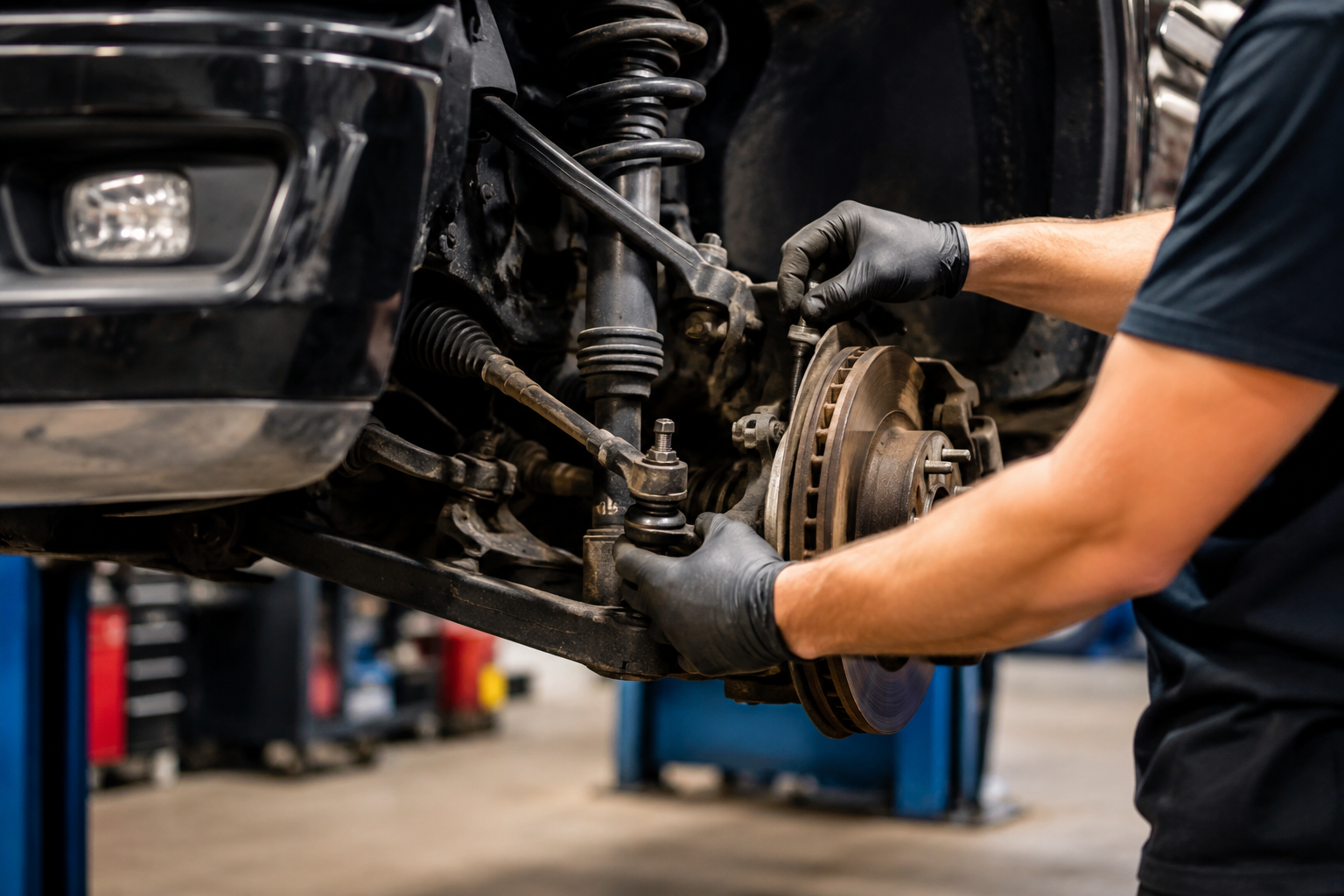
Musser Automotive provides suspension repair and steering diagnostics alongside brake repair, helping drivers solve the root cause of handling and stopping concerns instead of masking symptoms temporarily.
Common Brake Myths Drivers Still Believe
Many brake misconceptions end up costing drivers more money or creating unnecessary safety risks.
Myth: Squeaking Brakes Are Always Safe
Not always. Some squeaking comes from moisture or light wear, but persistent squeaking can also signal brake pads nearing the end of their lifespan.
Myth: Rotors Always Need Replacement
Rotors do not always need replacement during every brake job. If the rotors remain within thickness specifications and are not warped or heavily damaged, they may still be serviceable.
Myth: Brake Fluid Lasts Forever
Brake fluid absorbs moisture over time, which gradually reduces braking performance and heat resistance.
Myth: Brake Problems Always Feel Gradual
Some brake issues worsen very suddenly once components wear past a certain point. This is especially true once grinding begins.
How Long You’ll Usually Be Without Your Vehicle
One of the most common questions drivers ask is how long brake repair will keep their vehicle off the road.
The answer depends on the condition of the braking system and whether additional parts are damaged.
Typical timelines include:
- Brake inspections may take less than an hour
- Standard brake pad replacements are often completed the same day
- Rotor replacement may require additional labor time
- Advanced brake repairs involving calipers, hydraulic issues, or suspension concerns may take longer depending on parts availability
In many cases, catching brake problems early not only reduces repair costs but also shortens repair time significantly.
Expert Brake Maintenance Tips
Preventive maintenance dramatically reduces the chances of expensive brake failure.
The biggest mistake technicians commonly see is drivers waiting until grinding starts before scheduling an inspection. By that point, the repair has often become far more expensive than it originally would have been.
Brake Maintenance Best Practices
- Have brakes inspected during oil changes
- Address squeaking early
- Replace brake fluid when recommended
- Avoid aggressive braking habits
- Rotate tires regularly
- Watch for changes in pedal feel
- Do not ignore dashboard warning lights
Warning Signs That Mean Stop Driving Immediately
Do not continue driving if:
- Brake pedal sinks to the floor
- Brakes grind loudly
- Vehicle struggles to stop
- Brake fluid is leaking
- Burning smell comes from wheels
These symptoms can indicate dangerous braking system failure.
Why Drivers in Bowling Green Trust Musser Automotive
Musser Automotive has built its reputation around honest diagnostics, professional consultation, and helping customers understand their repair options clearly.
Drivers throughout Bowling Green choose Musser Automotive because the shop offers:
- ASE Certified technicians
- AAA Approved service
- Honest repair recommendations
- Domestic, Asian, European, diesel, and classic vehicle expertise
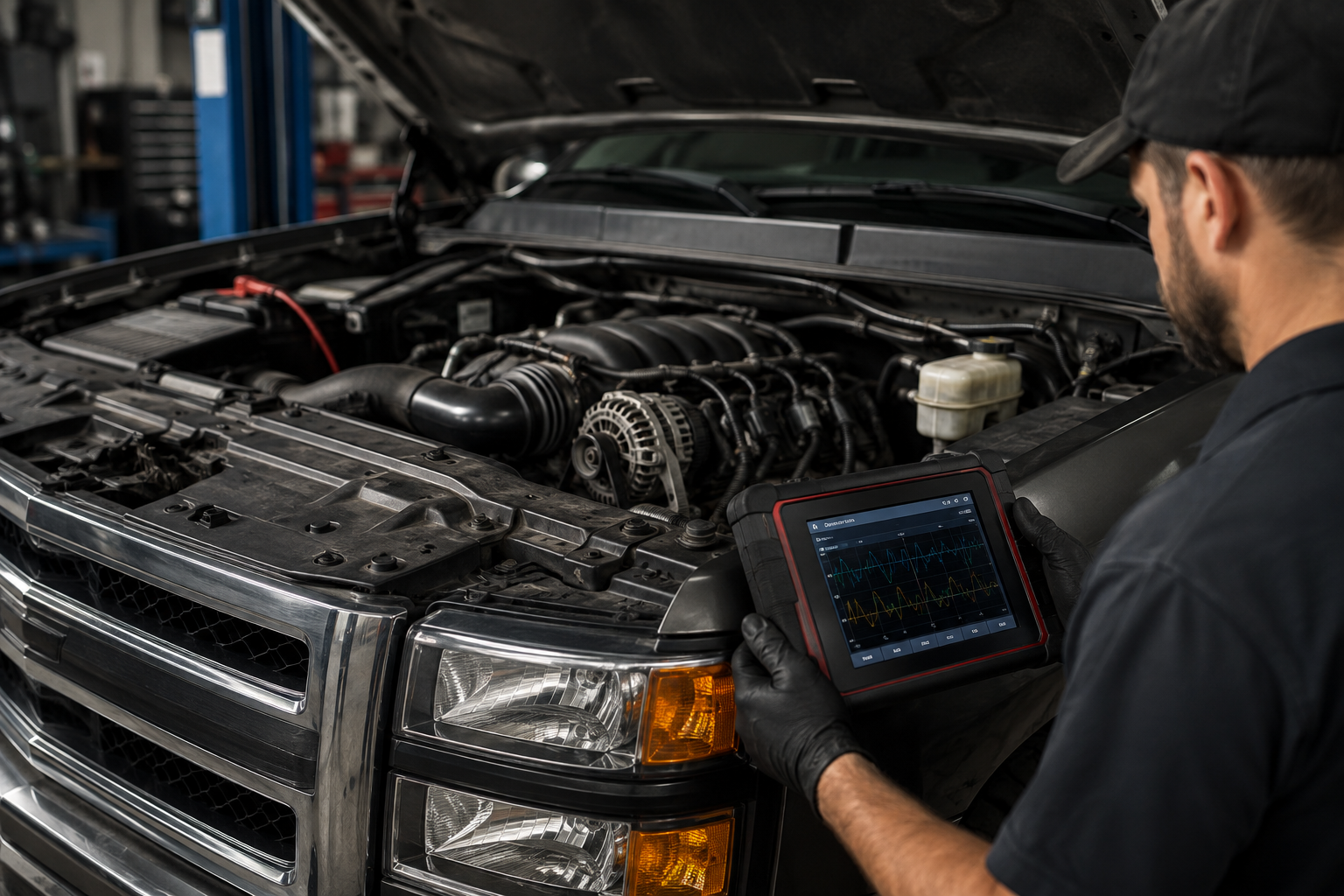
- Engine diagnostics and electrical repair capabilities
- 3-year / 36,000-mile warranty
- 24-hour pickup options
- Waiting room with WiFi
- Transparent explanations of repairs and maintenance priorities
The shop’s approach focuses on helping customers understand the difference between urgent repairs and long-term planning so they can make informed decisions with confidence.
Frequently Asked Questions About Brake Repair
Is it safe to drive with squeaky brakes?
Sometimes temporarily, but squeaking still indicates brake wear or developing issues that should be inspected before worsening.
Is driving with grinding brakes dangerous?
Yes. Grinding means metal components are contacting each other, which reduces stopping ability and damages braking components.
How long can I wait to replace brake pads?
Once symptoms begin, waiting usually increases repair costs and safety risks.
Why does my steering wheel shake when braking?
This commonly indicates rotor warping, uneven brake wear, or suspension issues.
Why does my brake pedal feel soft?
A soft brake pedal may indicate brake fluid problems, air in the system, leaks, or hydraulic concerns.
How often should brakes be inspected?
Brake inspections are recommended regularly during routine maintenance visits or anytime braking behavior changes.
Can suspension problems feel like brake problems?
Yes. Steering and suspension components often affect braking stability and vibration.
Schedule Brake Repair at Musser Automotive
If your brakes feel different, sound unusual, or do not stop confidently, do not wait for the problem to worsen.
Brake problems rarely become cheaper with time. Catching the issue early can help protect both your safety and your wallet while preventing damage from spreading deeper into the braking system.
At Musser Automotive, drivers receive professional brake inspections, honest explanations, and experienced diagnostics designed to keep vehicles safe and reliable, especially when dealing with common brake service and repair concerns before they become more serious.
Musser Automotive proudly serves:
- Bowling Green
- Plum Springs
- Shawnee Estates
- Old Stone
- Western Kentucky University area
- Warren County drivers
📍 Musser Automotive, 1343 Old Louisville Rd, Bowling Green, KY 42101
📞 (270) 904-0267
If you are searching for trusted brake repair in Bowling Green KY, Musser Automotive provides the honest diagnostics, experienced repair solutions, and professional guidance needed to keep your vehicle safe on the road.