A slipping, surging, or suddenly unresponsive automatic transmission on a Honda V6 is commonly diagnosed as a cooling and clutch design issue in the five-speed automatic unit used on these vehicles. The Honda Accord V6, Odyssey, Pilot, and the Acura TL are commonly reported to experience this problem on roughly 1999-2004 models. Symptoms range from soft or delayed shifts early on to harsh banging shifts, overheating, and complete transmission failure if the problem goes unaddressed.
This affects the Honda Accord V6 (coupe and sedan), Odyssey, and Pilot, as well as the Acura TL, on roughly 1999-2004 model years. If you drive one of these vehicles and notice any of the symptoms below, read on before you decide what to do next.
What vehicles and years are commonly affected?
The problem is commonly reported on roughly 1999-2004 models of the Honda Accord V6, Honda Odyssey, Honda Pilot, and Acura TL. All of these share a five-speed automatic transmission paired with the V6 engine. The root cause is commonly diagnosed as inadequate cooling capacity and clutch pack design in that specific transmission unit. Not every vehicle in this range will fail, but the pattern is well established.
What does a failing Honda V6 automatic feel like?
Symptoms usually follow a progression. Catching them early gives you the most options.
| Stage | What You Notice | Likely Cause | Urgency |
|---|---|---|---|
| Early | Slight hesitation or soft shift between 2nd and 3rd gear; fluid may smell slightly burnt | Clutch pack beginning to wear; fluid breaking down from heat | Schedule diagnosis soon |
| Mid | Noticeable slipping under acceleration; harsh or jerky upshifts; transmission warning light on some models | Clutch material degrading; fluid contaminated with clutch debris | Do not delay; limit driving |
| Late | Transmission refuses to engage a gear; vehicle lurches or stalls; complete loss of drive | Internal clutch pack failure; possible torque converter damage | Stop driving; tow to shop |
Is it safe to keep driving?
Early slipping symptoms are a warning, not a green light to keep going. Continued driving with a slipping transmission generates heat, and heat is what destroys these units. What starts as a clutch pack repair can turn into a full replacement if the transmission overheats repeatedly. If the vehicle is lurching, refusing to shift, or the fluid smells burnt, stop driving and have it towed. Musser Automotive offers towing service if you need it.
Why does this transmission overheat?
The five-speed automatic used in these Honda and Acura V6 models is commonly diagnosed as having a cooling system that was not sized adequately for the heat the transmission generates under real-world driving. Stop-and-go driving makes it worse. If you are running I-65 regularly between Bowling Green and Nashville, the combination of highway miles and the occasional traffic slowdown puts a steady thermal load on the transmission. The clutch packs wear faster when the fluid stays hot, and once the fluid is contaminated with clutch material, the damage compounds quickly.
Tech tip: Burnt or dark brown transmission fluid is a key early indicator on these units. Fresh Honda-spec automatic transmission fluid is a specific reddish color. If yours looks brown or smells scorched, that is a sign the clutch packs have already started to break down. A fluid sample pulled during inspection can tell a technician a lot before the pan even comes off.
What does the repair actually involve?
The standard repair for a failed or failing Honda V6 five-speed automatic involves one of three paths, depending on how far the damage has progressed.
- Fluid service and inspection: For very early symptoms only. Fresh fluid and a filter service, followed by a road test to evaluate shift quality. This is a diagnostic step as much as a repair.
- Transmission rebuild: The unit is removed, disassembled, and the worn clutch packs, seals, and any damaged hard parts are replaced. The valve body is inspected and cleaned. An external transmission cooler is commonly added at this stage to address the underlying heat problem.
- Transmission replacement: When internal damage is too extensive for a rebuild to be cost-effective, a remanufactured or quality used unit is installed. An external cooler is added here as well.
Adding an external transmission cooler is a standard part of the fix on these vehicles. It addresses the root cause by giving the fluid more capacity to shed heat, which helps protect the rebuilt or replacement unit going forward.
Tech tip: When a rebuild is done on these units, the 3rd-gear clutch pack is the component that most commonly shows the heaviest wear. A thorough rebuild addresses all clutch packs, not just the most obvious one. Skipping the others to save money usually means the transmission comes back in short order.
What does this repair cost, and what moves the price?
There is no honest single number for a transmission repair without seeing the vehicle. Here is what actually drives the cost:
- Extent of internal damage: Early-stage clutch wear costs less to address than a unit with a damaged torque converter or worn planetary gears.
- Rebuild vs. replacement: A quality rebuild on a unit with repairable internals is often more cost-effective than a replacement, but not always. It depends on what the teardown reveals.
- External cooler: Adding a cooler adds parts and labor cost, but skipping it on a known heat-sensitive transmission is a false economy.
- Labor rate and parts sourcing: Remanufactured units vary in quality and price. The shop's labor rate and warranty coverage also factor in.
At Musser Automotive, we walk you through what the inspection finds before any work begins. You will know what the options are and what each one costs before you commit to anything.
Should I check whether my vehicle has a recall?
Because this topic is still being verified, we are not going to state that a specific recall applies to your vehicle. What we can tell you is that the right move is to check your VIN directly at NHTSA's recall lookup and to contact your Honda dealer using the Honda Owners site to ask specifically whether any open recall applies to your VIN. Do this before paying for any repair, because if a free remedy exists for your specific vehicle, you should use it first.
How does Musser Automotive diagnose this?
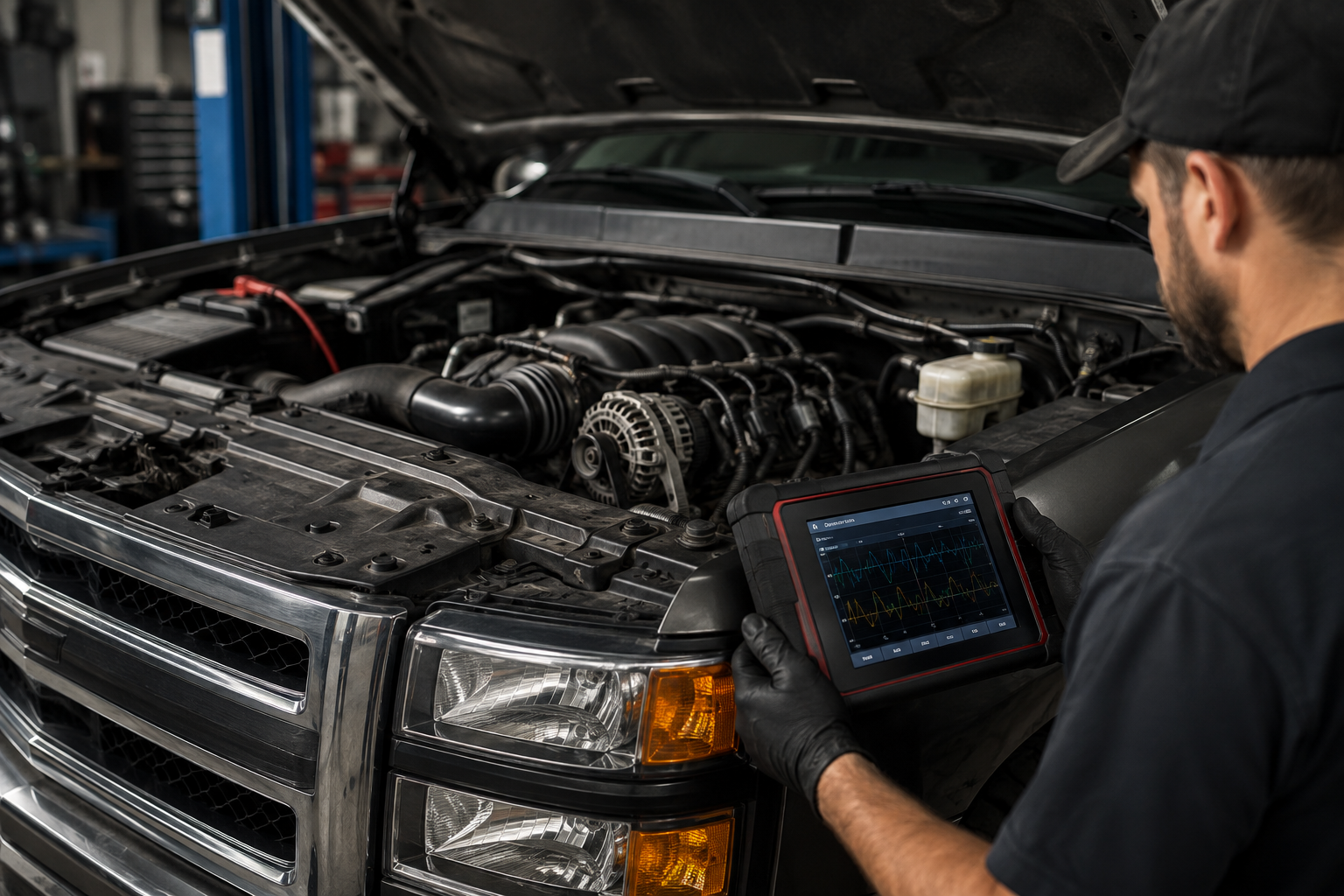
Jason Musser, owner of Musser Automotive and an ASE Certified technician, and the Musser Automotive team start with a road test to document the shift behavior, followed by a fluid inspection and a scan for any stored codes. If the fluid shows contamination or the shift pattern confirms internal wear, the next step is a more detailed inspection with the pan dropped. We explain what we find at each step before moving forward. No surprises.
We are a AAA Approved, ASE Certified shop at 1343 Old Louisville Rd in Bowling Green. Transmission repairs come backed by our 3-year/36,000-mile warranty. If you cannot get the vehicle here during the day, use our 24/7 drop box and we will get to it first thing. You can also reach us for transmission repair questions directly.
For more on related drivetrain and repair topics, see our posts on major auto repair and diagnosing check engine lights. If you are also dealing with steering or suspension concerns, our post on front-end failures covers that ground. We also serve drivers near Shawnee Estates and Western Kentucky University.
Frequently Asked Questions
Can I keep driving my Honda if the transmission is slipping?
Short trips to get the vehicle diagnosed are generally okay, but continued driving with a slipping or overheating transmission will accelerate internal damage. Get it checked before the problem gets worse.
Will a fluid change fix the slipping?
A fresh fluid service can sometimes quiet early symptoms, but if the clutch packs are already worn, a fluid change alone will not restore full function. A proper diagnosis first tells you what you are actually dealing with.
Does my Honda qualify for any free repair?
Recall eligibility depends on your specific VIN and model year. Check your VIN at nhtsa.gov/recalls and contact your Honda dealer directly to confirm what, if anything, applies to your vehicle.
What does a transmission rebuild or replacement cost on these Hondas?
Cost varies based on whether the unit is rebuilt or replaced, the shop's labor rate, and whether an external cooler is added. There is no single number without inspecting the vehicle. We will walk you through what moves the price before any work begins.
How long does a transmission repair take?
A rebuild or replacement typically takes two to four days depending on parts availability and the extent of internal damage. We will give you a realistic timeline after the initial inspection.
Ready to get a straight answer on your Honda's transmission? Call Musser Automotive at (270) 904-0267 or drop your keys in our 24/7 drop box at 1343 Old Louisville Rd, Bowling Green, KY. We are open Monday through Friday, 8 am to 5 pm. Repairs backed by a 3-year/36,000-mile warranty.
Sources