Chevrolet Silverado 5.3L Ticking Noise: What It Means and What to Do
At Musser Automotive in Bowling Green, KY, diagnosing ticking noises in Chevrolet Silverado 5.3L V8 engines is something our ASE Certified technicians handle on a regular basis. As a trusted auto repair shop in Bowling Green, KY, we focus on accurate diagnosis and clear communication from the start. As a AAA Approved auto repair shop, our approach is always the same: identify the root cause first, then explain the situation clearly so you can make an informed decision based on facts—not guesswork.
If you’ve started hearing a ticking noise coming from your Silverado, you’re not alone—and more importantly, it doesn’t automatically mean your engine is failing. This is one of the most common concerns truck owners bring into our shop, especially in an area where vehicles are driven daily and often accumulate high mileage.
The challenge is that several completely different components can produce a similar ticking sound. Some of these are normal operating characteristics, while others can point to a problem that needs attention sooner rather than later. This guide will walk you through what’s actually happening under the hood, what experienced technicians look for, and when it’s time to have your truck inspected.
Which Chevrolet Silverado 5.3L Engine Do You Have?
Not all 5.3L V8 engines are exactly the same, and understanding which version is in your Silverado helps explain why certain issues are more common than others. Over the years, General Motors has made several updates to this engine platform, including the addition of Active Fuel Management and later Dynamic Fuel Management systems.
Earlier versions of the 5.3L were known for their simplicity and durability, while newer engines introduced cylinder deactivation technology to improve fuel efficiency. While these systems work well under normal conditions, they also introduce additional components that can contribute to ticking noises if something begins to wear or fail.
For many Silverado owners, the distinction matters because a ticking noise on an older engine may point to a completely different cause than the same sound on a newer model. This is one of the reasons experienced technicians start with identifying the engine type before making any assumptions.
Common Causes of a Ticking Noise in a Silverado 5.3L
A ticking noise can come from several areas of the engine, and not all of them are cause for concern. One of the most common normal sounds is fuel injector operation. Modern engines use high-pressure fuel systems, and the injectors can create a consistent ticking sound that is completely normal, especially at idle.
Another relatively common source is an exhaust manifold leak. Many drivers searching for Chevrolet Silverado repair in Bowling Green, KY are often dealing with this exact issue, since it can closely mimic more serious internal engine problems. On Silverado trucks, it’s not unusual for exhaust manifold bolts to loosen or break over time. When this happens, exhaust gases escape and create a ticking noise that often sounds very similar to internal engine issues. This type of noise is usually more noticeable on a cold start and may become quieter as the engine warms up.
More serious causes include issues within the valve train, such as lifter failure or camshaft wear. The 5.3L engines equipped with Active Fuel Management are known for occasional lifter-related problems, which can create a sharper, more consistent ticking sound. In these cases, the noise typically does not go away as the engine warms up and may be accompanied by performance issues.
Low oil pressure or poor oil condition can also contribute to ticking noises. Since the valve train relies on proper lubrication, any interruption in oil flow can cause components to make noise. This is why checking oil condition and level is always part of an initial inspection.
The important thing to understand is that these causes vary widely in severity. Some are normal, some require attention, and others need immediate diagnosis to prevent further damage.
How Professional Diagnostics Identify the Source of the Noise
Diagnosing a ticking noise properly is where experience makes a significant difference. At Musser Automotive, the process starts with understanding the conditions under which the noise occurs. Whether it happens during a cold start, at idle, or under acceleration provides valuable clues before any tools are even used.
From there, a technician performs a thorough inspection, checking oil level and condition, looking for visible exhaust leaks, and evaluating engine components that could produce similar sounds. Listening techniques, including the use of a mechanic’s stethoscope, help pinpoint whether the noise is coming from the top of the engine, the exhaust system, or an accessory component.
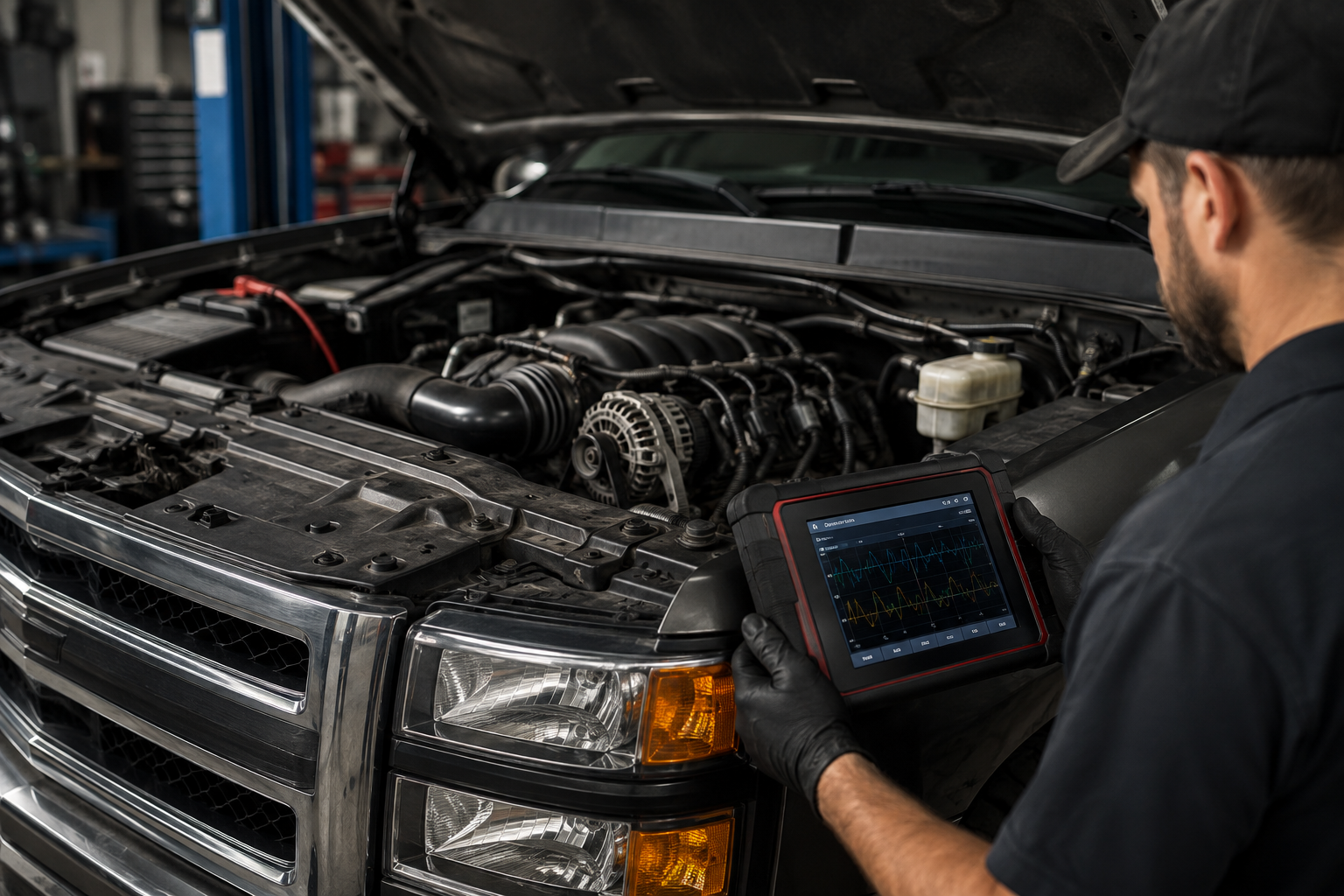
Advanced scan tools are also used to monitor engine data in real time. This can reveal issues such as misfires, cylinder deactivation irregularities, or oil pressure concerns that may not be immediately obvious. In some cases, additional testing is required to confirm the root cause before any repair recommendations are made.
This is where professional engine diagnostics in Bowling Green, KY become critical. Replacing parts without confirming the source of the noise often leads to unnecessary repairs and added expense. Experienced technicians focus on identifying the cause first, ensuring that the correct repair is performed the first time.
When Should You Be Concerned About a Ticking Noise?
Not every ticking noise requires immediate action, but there are situations where it’s important not to wait. If the sound becomes louder over time, is accompanied by a loss of power, or is paired with a check engine light, it’s best to have the vehicle inspected as soon as possible.
A ticking noise that changes dramatically with engine speed or remains constant regardless of temperature can also indicate a more serious issue. In contrast, a noise that is only present during a cold start and fades quickly may point to something less severe, such as an exhaust manifold leak.
Ignoring a ticking noise without understanding its cause can lead to more expensive repairs down the road. For example, a minor exhaust issue can develop into a larger problem if left untreated, and internal engine issues can worsen if proper lubrication or component function is compromised.
Preventative maintenance plays a key role here. Regular oil changes using the correct specification, along with routine inspections, can help reduce the likelihood of many common issues. When something does sound unusual, having it checked early often saves both time and money.
Frequently Asked Questions About Silverado Engine Ticking
Many Silverado owners have similar concerns when they hear a ticking noise, and these questions often come up during service visits.
A common question is whether injector ticking is normal. In many cases, it is, especially on newer engines with high-pressure fuel systems. However, distinguishing between normal operation and a developing issue requires experience.
Another frequent concern is whether it’s safe to continue driving. The answer depends entirely on the cause. Some noises are harmless, while others indicate problems that should be addressed immediately. Without proper diagnosis, it’s difficult to know which category a noise falls into.
Drivers also ask whether thicker oil can solve a ticking noise. While it might temporarily mask certain sounds, it does not address the underlying cause and is not considered a reliable solution.
It’s also common to wonder whether an exhaust leak can sound like engine damage. In many cases, it can. This is one of the most frequent sources of confusion and highlights why accurate diagnosis is so important.
Finally, many owners ask about repair costs. The range can vary significantly depending on the cause, which is why identifying the issue early is the best way to avoid unnecessary expenses. For additional safety guidance and recalls that may relate to vehicle concerns, you can also review NHTSA vehicle safety information.
Schedule Professional Silverado Diagnostics in Bowling Green, KY
A ticking noise in your Chevrolet Silverado’s 5.3L V8 can mean several different things, ranging from completely normal operation to a condition that requires prompt attention. The key is not to assume the worst or ignore the sound, but to understand what’s happening and have it evaluated properly.
At Musser Automotive in Bowling Green, KY, our ASE Certified technicians focus on accurate diagnostics first, ensuring that every recommendation is based on real findings rather than guesswork. As a trusted auto repair shop in Bowling Green, KY, we specialize in Chevrolet Silverado repair and diagnosing complex engine concerns like ticking noises. Whether the issue turns out to be minor or something more involved, the goal is always to provide clear explanations and honest guidance.
If your Silverado has developed a ticking noise and you’re not sure what it means, the best next step is to have it professionally inspected by technicians who work on these engines every day. If repairs are needed, they should be based on accurate diagnostics to address the problem correctly and help prevent further damage.
To schedule an inspection or speak directly with our team, visit our Contact Us page or call us at (270) 904-0267. Acting early can make all the difference in keeping your truck running reliably for years to come.