The Benefits of Regularly Scheduled Maintenance Services for Your Vehicle

January 6, 2025

The Benefits of Regularly Scheduled Maintenance Services for Your Vehicle

January 6, 2025

The Importance of Regular Vehicle Maintenance: How Musser Automotive Keeps Bowling Green Drivers on the Road

At Musser Automotive, we know how essential regular maintenance is for keeping your car running smoothly, efficiently, and safely. Whether you’re commuting through Bowling Green, taking scenic drives through Plum Springs, or heading to work near Western Kentucky University, staying on top of routine maintenance helps you avoid unexpected issues and ensures your vehicle remains dependable.

In this article, we’ll dive into the many benefits of scheduled maintenance, the key services involved, and how Musser Automotive makes it easier for drivers across Shawnee Estates and beyond to protect their investment.

Why Scheduled Maintenance is Essential for Every Driver

Prevent Costly Repairs

Small problems left unchecked often escalate into major repairs. For instance, skipping an oil change can lead to engine damage, while ignoring brake pad wear could result in rotor replacements. At Musser Automotive, our ASE-certified technicians perform comprehensive inspections during every maintenance visit to catch potential issues early.

By addressing problems like worn belts, low fluids, or uneven tire wear, we save you money in the long run and reduce the likelihood of inconvenient roadside breakdowns. Plus, with our 24/7 drop box and 3-year/36,000-mile warranty, we make maintenance easy and worry-free for Bowling Green drivers.

Prolong Your Vehicle’s Lifespan

A well-maintained car is a car that lasts. Regular oil changes, fluid checks, and tire rotations help minimize strain on critical systems like your engine, transmission, and suspension. At Musser Automotive, we customize maintenance schedules to meet the specific needs of your vehicle, whether you drive a fuel-efficient sedan, a rugged SUV, or a classic car.

Our maintenance services not only keep your car roadworthy but also increase its resale value. According to Kelley Blue Book, vehicles with a complete maintenance history command higher prices when sold. With our detailed service records, you can show buyers that your vehicle has been cared for by trusted professionals.

Key Services in Regular Maintenance

Oil and Filter Changes

Clean oil keeps your engine lubricated, reduces friction, and prevents overheating. We recommend scheduling oil changes every 3,000 to 5,000 miles, depending on your driving habits and vehicle type. At Musser Automotive, we use premium-quality oils and filters to ensure your engine runs efficiently.

Don’t forget—regular oil changes also improve fuel economy, saving you money at the pump. Schedule your next service with us to experience the difference.

Tire Maintenance

Your tires play a crucial role in your vehicle’s safety and performance. During maintenance visits, we inspect tire tread wear, check air pressure, and perform rotations or alignments as needed. Proper tire care not only enhances handling but also extends the life of your tires.

Driving through Shawnee Estates or on Western Kentucky University’s busy campus? A properly aligned vehicle ensures smooth handling and optimal fuel efficiency.

Brake Inspections

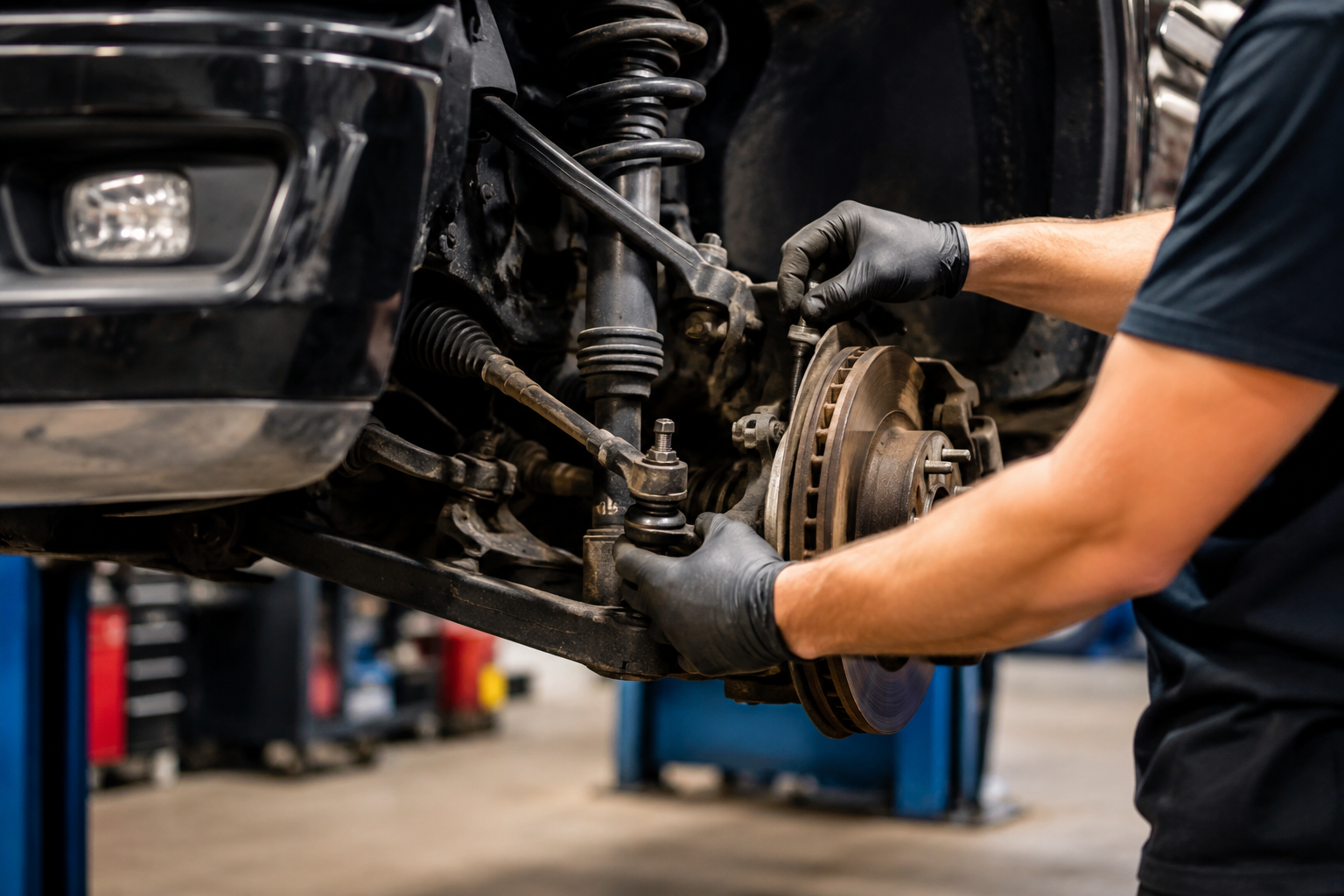
Faulty brakes are a safety hazard you can’t afford to ignore. Our brake inspections include a thorough evaluation of pads, rotors, and brake fluid levels. Addressing issues like worn pads or low fluid levels early ensures your brakes perform reliably, whether you’re stopping at a light in Bowling Green or navigating the curves of Old Stone.

Fluid Checks and Top-Offs

Your car depends on a variety of fluids—coolant, transmission fluid, brake fluid, and more—to keep its systems running properly. At Musser Automotive, we check and top off these fluids during every maintenance appointment, preventing overheating, shifting issues, and other system failures.

How Regular Maintenance Saves You Money in Bowling Green, KY

Taking care of your vehicle through routine maintenance isn’t just about avoiding breakdowns—it’s a smart way to save money and ensure your car stays reliable for years to come. At Musser Automotive, we specialize in creating tailored maintenance plans for drivers in Bowling Green, Plum Springs, and surrounding areas. Here’s how regular maintenance can benefit your wallet, your vehicle, and your peace of mind.

Improved Fuel Efficiency

Neglecting basic maintenance can significantly impact your car's fuel efficiency. Something as simple as a dirty air filter can force your engine to work harder, leading to increased fuel consumption. At Musser Automotive, our ASE-certified mechanics provide essential services like air filter replacements, fuel system cleanings, and engine diagnostics to ensure your vehicle operates at peak performance. When your engine runs smoothly, you save money at the pump—a win for both your wallet and the environment.

Did you know that proper tire inflation also affects fuel economy? During routine inspections at our Bowling Green shop, we’ll check your tires and ensure they’re in great condition. This is just one of the many ways we help you drive more efficiently.

Higher Resale Value

A car with a well-documented maintenance history will always command a higher resale price. Whether you’re planning to trade in your car or sell it privately, potential buyers want assurance that the vehicle has been cared for. With Musser Automotive's detailed service records, you can confidently demonstrate your commitment to proper maintenance. From oil changes to brake services, we keep your car’s history organized, giving you the edge when it’s time to sell.

In fact, Kelley Blue Book highlights that regularly maintained vehicles hold their value better than those with incomplete service records. Keeping up with your maintenance schedule can easily add hundreds—or even thousands—of dollars to your car’s resale value.

Why Choose Musser Automotive in Bowling Green, KY?

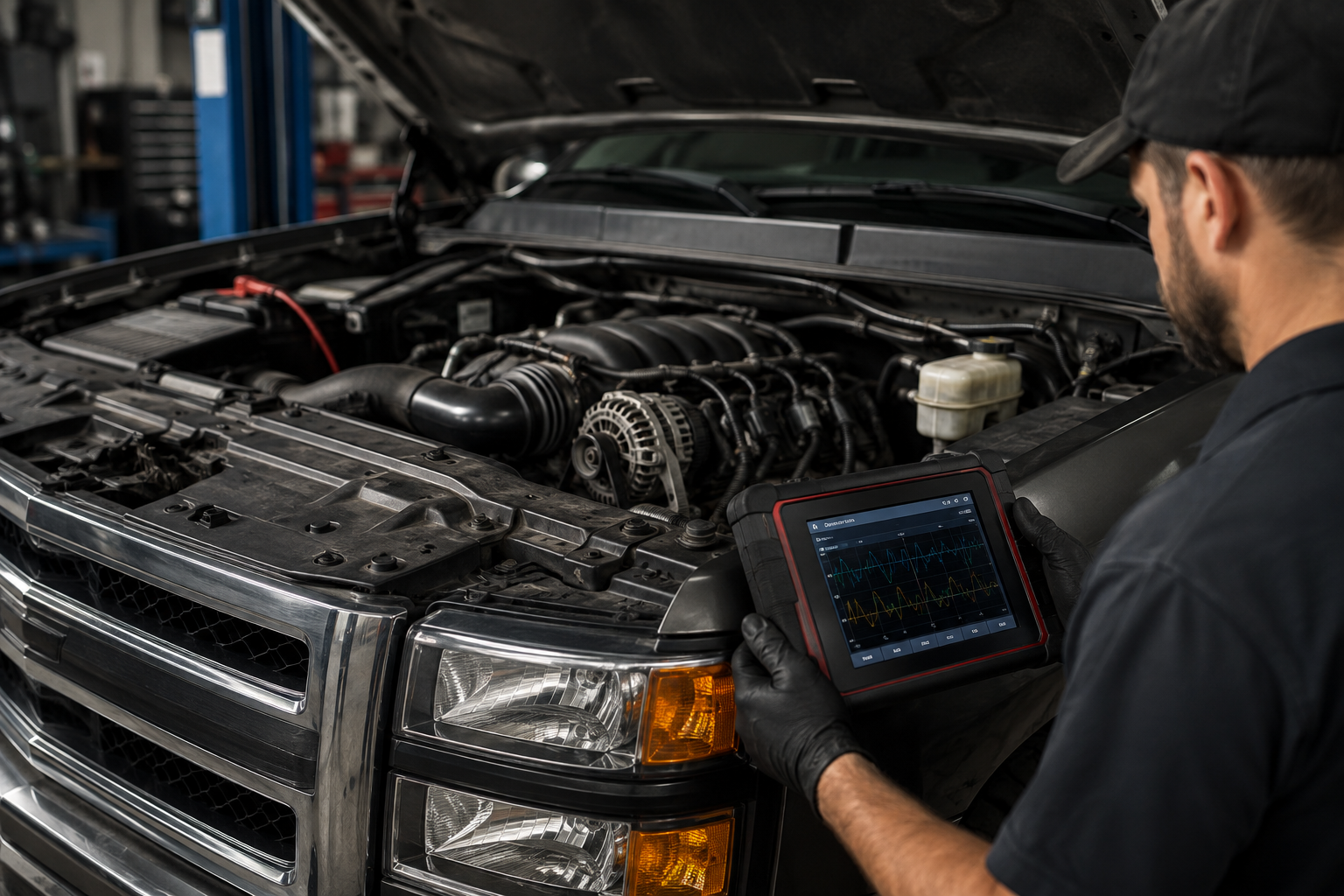
At Musser Automotive, we’re proud to serve the Bowling Green community and beyond with expert care and a customer-first approach. Our team uses advanced diagnostic tools and years of expertise to craft personalized maintenance plans. Whether you drive a compact sedan, a family SUV, or a classic car, we’re equipped to handle all your needs.

Here are just a few reasons drivers in Bowling Green, Shawnee Estates, and Western Kentucky University areas trust us:

  • 24/7 Drop Box for after-hours convenience.
  • A comfortable Wi-Fi-enabled waiting room.
  • An industry-leading 3-year/36,000-mile warranty on repairs.
  • Certified by ASE and approved by AAA for quality you can count on.

From quick oil changes to complex engine repairs, we’re your one-stop shop for auto repair services in Bowling Green, KY.

Practical Tips for Staying on Track with Maintenance

Follow Your Owner’s Manual

Your car’s manufacturer provides valuable guidelines for maintaining your vehicle. Stick to these recommendations for services like tire rotations, fluid replacements, and brake inspections to keep your car running smoothly.

Set Reminders

Forgetting routine maintenance is easy in today’s busy world. Use phone alarms or apps like Carfax Car Care to stay on top of tasks like oil changes and battery checks.

Partner with a Trusted Auto Repair Shop

Building a relationship with a reliable mechanic makes staying on track with maintenance much easier. At Musser Automotive, we pride ourselves on being the trusted choice for drivers in Bowling Green and surrounding areas. With transparent communication and affordable services, we’re here to help every step of the way.

Conclusion

Routine maintenance is more than a responsibility—it’s an investment in your car’s safety, performance, and longevity. At Musser Automotive in Bowling Green, KY, we’re passionate about helping our customers save money and avoid unnecessary repairs. By addressing potential issues early, you reduce the risk of costly breakdowns and maximize the life of your vehicle.

Ready to give your car the care it deserves? Schedule your next maintenance appointment with us today at Musser Automotive. Visit our services page to learn more about what we offer or stop by our shop at 1343 Old Louisville Rd, Bowling Green, KY.
By Musser Automotive April 28, 2026
Discover expert oil change tips at Musser Automotive in Bowling Green, KY. Enhance engine performance with our guidance. Schedule an appointment today!
By Musser Automotive March 31, 2026
Receive top-notch brake services at Musser Automotive in Bowling Green, KY. Your safety is our priority. Schedule an online appointment now!
By Jason Musser March 16, 2026
Classic cars hold a special place in the automotive culture of Bowling Green, Kentucky and the surrounding Warren County area. From weekend cruise-ins to gatherings connected to the National Corvette Museum , enthusiasts throughout Southcentral Kentucky take pride in preserving vintage vehicles for shows, road trips, and Sunday drives along the I-65 corridor . Many of these vehicles are driven only occasionally rather than daily, which creates unique reliability challenges that modern repair shops may overlook. Many drivers searching for a classic car mechanic in Bowling Green KY are often looking for technicians familiar with carburetors, distributor ignition systems, and other mechanical systems found in vintage vehicles. Many drivers searching for a classic car mechanic in Bowling Green KY are often looking for technicians familiar with carburetors, distributor ignition systems, and other mechanic. At Musser Automotive , located at 1343 Old Louisville Rd in Bowling Green, KY , classic car owners find experienced technicians who understand the mechanical systems behind vintage vehicles. Since December 2014 , owner Jason Musser has built the shop around honest diagnostics, clear repair consultations, and helping drivers prioritize what needs attention now versus what can wait. Musser Automotive is an ASE Certified repair facility and an AAA Approved Auto Repair Shop , serving drivers throughout Bowling Green , Plum Springs , Shawnee Estates , Old Stone , and the WKU area . Many classic car owners in Bowling Green bring their vehicles to Musser Automotive because diagnosing older vehicles requires real mechanical knowledge—not just plugging in a scan tool. For example, a Warren County driver recently brought in a 1970 Chevrolet Chevelle that had begun hesitating whenever the accelerator was pressed. The vehicle idled smoothly and drove fine at steady speeds, but every time the throttle opened quickly the engine stumbled before recovering. Situations like this are common with classic vehicles that sit between drives. After inspecting the fuel system, technicians discovered that the accelerator pump inside the carburetor had deteriorated , which prevented the engine from receiving the extra fuel needed during acceleration. Once the carburetor was rebuilt and the fuel system cleaned, the hesitation disappeared and the vehicle accelerated smoothly again. Problems like this are typical of vintage vehicles that spend long periods in storage between outings. Classic Car Repair in Bowling Green, KY Requires Different Diagnostics Than Modern Vehicle s Vehicles built before the mid-1990s operate very differently than modern cars. While modern vehicles rely heavily on onboard computers and OBD-II diagnostics, classic vehicles depend on mechanical systems and manual testing procedures. Professional classic car repair in Bowling Green KY often includes : Vacuum gauge testing Ignition timing adjustments Carburetor inspection Distributor inspection Mechanical fuel pressure testing Compression testing Vacuum leak detection These tests require mechanical interpretation rather than digital readouts. Many Bowling Green classic car owners bring vehicles that “run okay” but develop subtle drivability issues like hesitation or rough idle after sitting in storage for months. Diagnosing those problems correctly requires experience with carburetors, vacuum systems, and distributor ignition systems —skills that many modern technicians rarely encounter. Many drivers searching for a classic car mechanic in Bowling Green KY are often looking for technicians who still understand these older mechanical systems. Ethanol Fuel Problems Affect Many Classic Cars Driven in Bowling Green, KY One of the most common questions we hear from classic car owners is about modern ethanol gasoline . Vehicles built before the early 1990s were never designed for E10 fuel blends , which contain about 10% ethanol. Ethanol can cause several problems in older fuel systems: Rubber fuel line deterioration Carburetor float needle wear Fuel pump diaphragm failure Accelerator pump deterioration Fuel system varnish during storage Many Bowling Green drivers notice problems like: classic car stalls when warm carburetor hesitation during acceleration rough idle from carburetor issues These symptoms often appear after a classic car sits for extended periods. Ethanol fuel absorbs moisture, which contributes to corrosion and fuel degradation inside the carburetor. What many classic car owners do not realize is that fuel left sitting in a carburetor for several months can begin forming varnish deposits, especially in humid climates like Southcentral Kentucky. When a vehicle sits through the winter, those deposits can clog small passages inside the carburetor and create hesitation or rough idle when the vehicle is driven again. Carburetor Accelerator Pump Problems Often Cause Hesitation During Acceleration Carburetor hesitation is one of the most common drivability complaints in classic vehicles. Drivers often describe the problem as: hesitation when pressing the throttle stumbling during acceleration sluggish throttle response The cause is frequently a worn accelerator pump diaphragm inside the carburetor. The accelerator pump is responsible for injecting extra fuel when the throttle opens quickly. When the diaphragm becomes worn or cracked, the engine receives too little fuel during acceleration. This causes: hesitation stumbling delayed throttle response In many carburetors used on classic vehicles, the accelerator pump diaphragm deteriorates over time—especially when exposed to ethanol fuel. Ignition System Problems in Classic Vehicles Are Frequently Misdiagnosed Classic ignition systems rely on mechanical components rather than electronic controls. These systems may include: mechanical distributors centrifugal advance mechanisms vacuum advance systems breaker points ignition modules Common failures include: stuck centrifugal advance weights failed vacuum advance diaphragms worn distributor bushings incorrect ignition timing Improper ignition timing can lead to several drivability problems: engine overheating detonation or “pinging” hesitation during acceleration reduced fuel economy Many Bowling Green drivers notice symptoms such as distributor timing problems in classic cars when ignition components begin to wear. Vacuum System Failures Often Cause Rough Idle and Stalling in Classic Cars Classic vehicles rely heavily on vacuum-operated systems . Vacuum leaks can develop from: cracked vacuum hoses leaking intake manifold gaskets carburetor base gasket leaks failing brake booster diaphragms When vacuum leaks occur, engines may experience: classic car rough idle stalling at stoplights poor drivability carburetor hesitation Many classic car owners around WKU and Shawnee Estates bring vehicles in for rough idle problems that ultimately trace back to aging vacuum hoses. Because these hoses can be decades old, deterioration is extremely common. Cooling System Failures Often Cause Classic Cars to Overheat in Traffic One of the most frequent complaints among classic car owners is overheating in slow traffic . Many vintage vehicles cool effectively at highway speeds but struggle during idle or stop-and-go driving in Bowling Green . Common causes include: radiator corrosion thermostat failure water pump wear fan clutch failure missing or incorrect fan shrouds Classic cars were often designed for steady highway airflow rather than modern traffic patterns. When a vehicle sits in traffic near Scottsville Road or WKU campus , engine temperatures can rise quickly if cooling components are not functioning properly. Many classic car owners assume overheating is caused only by a failing radiator, but technicians frequently discover that missing or incorrect fan shrouds reduce airflow across the radiator at idle . A vehicle may run cool on the highway yet overheat during stop‑and‑go traffic simply because airflow through the cooling system is insufficient. Electrical and Charging System Problems Are Common in Vintage Vehicles Electrical systems in older vehicles can deteriorate over time. Typical problems include: brittle wiring insulation corroded ground connections failing alternators faulty voltage regulators Poor electrical grounding is a frequent issue. Many Warren County customers bring vehicles in for intermittent starting or charging issues that ultimately trace back to loose or corroded ground connections. Because classic electrical systems rely heavily on grounding, even small corrosion points can create major problems. Suspension and Brake Components Age Even When Classic Cars Have Low Mileage Many classic cars accumulate very low mileage compared to modern vehicles. However, rubber components deteriorate due to time and heat cycles, not just mileage. Common age-related issues include: cracked suspension bushings deteriorated brake hoses worn steering components moisture contamination in brake fluid A classic car that has been sitting for years may require brake system inspection before being driven regularly again. Musser Automotive frequently performs brake repair and suspension inspections in Bowling Green for classic vehicles preparing for local events. Real Classic Car Diagnostic Case Study From a Bowling Green Shop A 1969 Ford Mustang was recently brought in by a Warren County customer preparing for a weekend cruise event. Customer Complaint hesitation during acceleration occasional stalling after warm-up Diagnostic Process Our technicians performed several tests: fuel pressure testing carburetor inspection ignition timing verification vacuum leak inspection Root Causes Discovered The vehicle had several small issues working together: worn carburetor float needle partially clogged fuel filter slightly retarded ignition timing Repairs Performed carburetor rebuild fuel filter replacement ignition timing adjustment After repairs, the vehicle accelerated smoothly and ran reliably again. This case illustrates an important lesson about classic vehicle diagnostics: multiple small issues often combine to create drivability problems. Expert Maintenance Advice for Classic Car Owners in Bowling Green, KY Experienced technicians recommend several steps to keep classic vehicles reliable. Best practices include: drive the vehicle regularly use fuel stabilizer during storage inspect fuel systems annually check ignition timing periodically inspect cooling systems each year replace aging vacuum hoses and belts Regular driving helps circulate oil, lubricate seals, and keep fuel systems clean. Technicians often see vehicles that stall or run poorly after sitting through the winter because old fuel has degraded inside the carburetor or fuel lines. Many Bowling Green classic car owners who drive their vehicles monthly experience fewer problems than those that sit unused for long periods. Preparing Classic Cars for Seasonal Storage in Southcentral Kentucky Classic car owners through adding fuel stabilizer to prevent fuel varnish (many classic car owners use stabilizers such as Sta-Bil or similar products during winter storage)tore vehicles during colder months. Preparing vehicles properly can prevent many springtime problems. Recommended steps include: adding fuel varnish maintaining specting fuel lines and hoses Drivers preparing for spring cruise-ins or events near the National Corvette Museum often schedule inspections before bringing vehicles out of storage and take advantage of seasonal maintenance discounts and local auto repair specials available to Bowling Green drivers. Humidity levels in Kentucky can also contribute to corrosion inside fuel systems and electrical connections. Vehicles stored in non‑climate‑controlled garages sometimes develop small corrosion issues that only become noticeable months later when the car is driven again. Classic Car Repair FAQ for Bowling Green Vehicle Owners How often should a classic car be serviced? Classic vehicles should generally be inspected at least once per year, even if they are driven only occasionally. Is ethanol gasoline harmful to older engines? Ethanol can damage rubber components and accelerate fuel system wear in vehicles not designed for modern fuel blends. Can synthetic oil be used in classic cars? Yes, but oil selection should consider engine design, seal condition, and manufacturer recommendations. Why does my classic car overheat in traffic? Cooling system inefficiencies such as radiator corrosion or missing fan shrouds often cause overheating during idle conditions. Why does my carbureted engine hesitate when accelerating? A worn accelerator pump diaphragm or clogged carburetor passages commonly cause hesitation. Are classic cars harder to repair than modern vehicles? They require different expertise because diagnosis relies on mechanical testing rather than computerized diagnostics. Many classic car owners worry that drivability problems mean major engine repairs. In reality, many common issues are caused by relatively small components such as vacuum hoses, carburetor rebuild kits, ignition timing adjustments, or aging fuel system parts. Are classic car repairs always expensive? Classic car repairs are not always expensive. Many drivability issues come from smaller components such as vacuum hoses, carburetor rebuild kits, ignition timing adjustments, or aging fuel system parts rather than major engine repairs. Schedule Classic Car Repair in Bowling Green, KY at Musser Automotive Classic vehicles require experienced technicians who understand carbureted engines, distributor ignition systems, and vintage mechanical components. At Musser Automotive in Bowling Green, KY , drivers receive: ASE Certified technicians AAA Approved Auto Repair Shop 3-year / 36,000-mile warranty after-hours drop box 24-hour vehicle pickup honest diagnostic consultations Many Bowling Green classic car owners schedule inspections before: weekend cruise-ins long drives car shows seasonal storage If your vehicle needs classic car repair in Bowling Green KY , the team at Musser Automotive can help diagnose issues accurately and keep your classic running reliably for years to come. You can also connect with the shop through the Musser Automotive Facebook page for updates, photos of local projects, and announcements about community events. If you would like to schedule an inspection or discuss a drivability issue with your classic vehicle, call the shop at (270) 904-0267 to speak directly with the team.
By Musser Automotive March 4, 2026
Discover expert major auto repair tips at Musser Automotive, Bowling Green, KY. Ensure your vehicle's optimal performance. Schedule an appointment today!
By Jason Musser March 2, 2026
A Western Kentucky University student preparing to head home for Thanksgiving notices something unexpected as the car warms up in the parking lot: the check engine light turns on. The vehicle still runs fine, but now there’s uncertainty. Is it safe to drive home? Is it something simple, or the beginning of a bigger problem? Situations like this happen every day in Bowling Green, Kentucky , especially with the number of high‑mileage vehicles driven by students, commuters, and families throughout the region. Many cars locally have 150,000 miles or more , and when warning lights appear, guessing can quickly become expensive. For example, a Bowling Green driver recently stopped by a repair shop after the check engine light appeared during a morning commute down Scottsville Road . The vehicle still ran normally, but acceleration felt slightly sluggish when merging onto I‑65. A quick scan at a parts store suggested a P0420 catalytic converter code , which made the driver worry about a repair costing more than $1,000. However, proper diagnostics told a different story. After reviewing scan data and sensor readings, the technician determined the catalytic converter itself was fine. The real issue was a failing upstream oxygen sensor sending inaccurate readings to the engine computer . Replacing that sensor resolved the problem and prevented an unnecessary catalytic converter replacement. At Musser Automotive , located at 1343 Old Louisville Rd in Bowling Green, KY , drivers rely on ASE Certified technicians and an AAA Approved repair facility for professional diagnostics instead of parts‑swapping. Drivers rely on the shop’s complete auto repair and diagnostic services in Bowling Green to properly inspect vehicles, identify warning‑light issues, and perform the repairs needed to keep high‑mileage cars running reliably. Owner Jason Musser opened the shop in December 2014 with a focus on honest diagnostics, transparent consultations, and helping customers prioritize safety repairs before unnecessary work. A check engine light is not a diagnosis. It is simply a signal that the vehicle’s onboard computer detected something outside normal operating parameters. Understanding what that signal means requires real diagnostic testing, data analysis, and mechanical experience. How Check Engine Light Diagnostics Work in Bowling Green, KY Many Bowling Green drivers search " check engine light Bowling Green KY" or "mechanic near me" expecting a quick answer from a code reader. However, diagnostic trouble codes (DTCs) only identify the system experiencing the problem, not the failed part. For example: P0171 – System Too Lean P0300 – Random Misfire P0420 – Catalytic Converter Efficiency Below Threshold Each code points to a system but can have multiple possible causes . Technicians also distinguish between pending codes and confirmed codes . A pending code means the vehicle computer has detected a possible problem but has not yet seen it happen enough times to trigger the check engine light. Confirmed codes occur after the fault is detected across multiple drive cycles. This distinction often helps technicians identify developing problems before they become more serious. One of the most common misconceptions about check engine lights is that the code tells you which part to replace . In reality, the code simply identifies which system detected abnormal behavior. A catalytic converter code, for example, might actually be caused by a misfire or a failing oxygen sensor. Professional engine diagnostics in Bowling Green KY typically involve several steps, including: Reading freeze frame data captured when the code triggered Analyzing live scan data while the engine runs Evaluating Short‑Term Fuel Trim (STFT) Evaluating Long‑Term Fuel Trim (LTFT) Monitoring oxygen sensor switching patterns Performing fuel pressure testing Conducting smoke tests to detect vacuum leaks Instead of guessing at parts, technicians interpret patterns in the vehicle data to determine what actually caused the warning light. Many Bowling Green drivers are surprised to learn that a simple handheld code scanner cannot perform these deeper tests. Accurate diagnosis comes from interpreting the data , not simply replacing the component mentioned in a code description. Real Diagnostic Case Study: A Honda Accord With a Lean Condition in Bowling Green, KY A customer recently brought in a 201 2 Honda Accord with the complaint that the check engine light came on and the car felt sluggish during acceleration. Customer Complaint Check engine light Slight hesitation when accelerating Diagnostic Process First, the diagnostic tool retrieved the trouble code: P0171 – System Too Lean Next, the technician reviewed freeze frame data , which showed the fault occurred during moderate throttle cruising. Fuel trim values were then analyzed: STFT: +15% LTFT: +18% These readings indicated the engine computer was adding extra fuel to compensate for a lean condition. Possible causes included: Vacuum leak Weak fuel pump Dirty mass airflow sensor Intake manifold gasket leak A smoke test was performed on the intake system. Smoke quickly appeared near the intake manifold gasket , revealing the problem. Root Cause A deteriorated intake manifold gasket allowing unmetered air into the engine . Repair Intake manifold gasket replacement Clearing codes Verification road test After repair, fuel trims returned to normal: STFT : ~2% LTFT : ~3% The check engine light stayed off. This example shows why replacing parts without proper testing often wastes money . Common Causes of a Check Engine Light in Bowling Green Vehicles At Musser Automotive, technicians commonly diagnose warning lights on vehicles such as: Honda Accord (2008–2015) Toyota Camry (2007–2017) Ford F‑150 (2010–2018) Chevrolet Silverado (2011–2019) Nissan Altima (2013–2018) Some of the most common causes of check engine light diagnostics in Bowling Green KY include the following issues. Ignition Coil Failures Ignition coil problems often cause symptoms like: car shaking with check engine light rough idle with check engine light check engine light blinking during acceleration Oxygen Sensor Aging Oxygen sensors commonly begin failing after 120,000–150,000 miles , which affects the engine’s ability to maintain the correct fuel mixture. According to the vehicle emissions monitoring overview from the U.S. Environmental Protection Agency , modern vehicles rely on oxygen sensor data to keep fuel mixtures within emissions standards. EVAP System Failures Many drivers search online for: "check engine light after filling gas" This problem often involves: loose gas cap EVAP purge valve EVAP vent solenoid A common real‑world example occurs when a driver fills the gas tank and tightens the cap only partially. Over the next few trips, the vehicle computer detects a small EVAP system leak and eventually triggers the check engine light. In many cases, simply tightening or replacing the gas cap resolves the issue, but proper diagnostics are still important to confirm the system seals correctly. Catalytic Converter Efficiency Codes Codes such as P0420 appear frequently on older vehicles in the region and are often triggered by: long‑term misfires high mileage oxygen sensor degradation What many drivers do not realize is that the check engine light often appears weeks after a problem first begins. Vehicle computers must detect faults across multiple drive cycles before triggering the warning light. Flashing Check Engine Lights While Driving on I‑65 Require Immediate Attention A flashing check engine light is far more serious than a steady light. Imagine driving north on I‑65 toward Nashville when the check engine light suddenly begins flashing and the car starts losing power. This typically indicates an active engine misfire . Misfires allow raw fuel to enter the exhaust system , which can quickly overheat and damage the catalytic converter. Failure chain example: misfire → unburned fuel entering exhaust → catalytic converter overheating → catalyst meltdown. Modern catalytic converters can cost over $1,000, which is why misfire diagnostics should never be ignored. In general: A steady check engine light with no drivability symptoms usually allows you to drive short distances while scheduling diagnostics. A flashing check engine light , rough running engine, or loss of power means the vehicle should be inspected immediately. Intermittent Check Engine Lights Often Require Advanced Electrical Diagnostics Some of the most challenging problems involve intermittent check engine lights. Bowling Green drivers often report situations where: the light turns on one day disappears the next day then returns weeks later These cases frequently involve problems such as: wiring harness faults failing crankshaft sensors heat‑related ignition module failures loose ground connections Diagnosing intermittent faults often requires data logging and extended testing , which is why experienced technicians and professional equipment are essential. Why Bowling Green Driving Habits Trigger Check Engine Lights Local driving patterns can significantly affect how often warning lights appear. Short Trips Around WKU Many vehicles near Western Kentucky University are driven only 2–4 miles at a time . Because Musser Automotive works closely with the local college community, many drivers also take advantage of the shop’s auto repair specials and maintenance programs for WKU students designed to help student drivers keep older vehicles running reliably throughout the school year. Engines may never reach full operating temperature during these short trips. This can contribute to: carbon buildup oxygen sensor contamination EVAP system issues Stop‑and‑Go Traffic Busy roads such as Scottsville Road and Campbell Lane create heavy stop‑and‑go driving conditions that increase engine load variability. Highway Commuting Many Bowling Green residents commute daily along I‑65 , placing higher sustained loads on engines. Combined with vehicles exceeding 150,000 miles , these driving conditions increase the likelihood of diagnostic warning lights appearing. Real Diagnostic Case Study: Chevrolet Silverado Misfire in Bowling Green, KY A 2015 Chevrolet Silverado arrived with the complaint: "car shaking and check engine light blinking during acceleration." Diagnostic Process The scan tool revealed: P0300 – Random Misfire Live data showed misfires primarily on cylinder #5 . Technicians inspected: ignition coils spark plugs injector pulse signals Swapping ignition coils confirmed the misfire followed the coil. Root Cause A failing ignition coil causing intermittent misfires. Repair Ignition coil replacement Spark plug inspection Clearing codes Road test verification The repair restored smooth engine operation and prevented potential catalytic converter damage. What to Do When Your Check Engine Light Comes On in Bowling Green, KY When a check engine light appears, the most important step is to avoid guessing and observe how the vehicle is behaving. If the vehicle is running normally and the light is steady , you can usually continue driving short distances while scheduling a diagnostic appointment. Many drivers in Bowling Green notice the light during routine trips such as commuting along Scottsville Road or running errands near Western Kentucky University. However, if the light begins flashing , the engine runs rough, or the vehicle loses power, it is best to stop driving as soon as it is safe. A flashing check engine light typically indicates a misfire that can quickly damage the catalytic converter. The National Highway Traffic Safety Administration’s vehicle safety resources , which is why drivers should never ignore a flashing engine warning light. The safest approach is to schedule a professional diagnostic inspection so technicians can analyze the stored data and identify the root cause before the problem worsens. Check Engine Light FAQ for Bowling Green Drivers Can I drive with my check engine light on? If the light is steady and the vehicle runs normally, it is usually safe to drive short distances while scheduling diagnostics. Why does my check engine light keep coming back? Recurring lights often indicate the original issue was not fully diagnosed or that another related component is beginning to fail. Will disconnecting the battery fix the problem? Disconnecting the battery only clears stored codes temporarily. The light will return once the computer detects the fault again. How much does diagnostics cost in Bowling Green? Diagnostic costs vary depending on the complexity of the issue. Many drivers searching online for "check engine light diagnosis cost" expect the worst, but the diagnostic test itself is usually far less expensive than replacing the wrong parts. Accurate testing often prevents unnecessary parts replacement and ultimately saves money. Many drivers worry a check engine light automatically means an expensive repair. In reality, some of the most common fixes involve relatively affordable components such as oxygen sensors, ignition coils, or EVAP valves. Should I go to the dealership or an independent mechanic? Experienced ASE Certified mechanics with proper diagnostic equipment can diagnose most problems without dealership overhead costs. Drivers who want to learn more about the technicians performing these diagnostics can also meet the ASE‑certified automotive repair specialists at Musser Automotive and see the team responsible for diagnosing complex check engine light problems. What does a flashing check engine light mean? A flashing light indicates active engine misfire and should be addressed immediately to prevent catalytic converter damage. Schedule Check Engine Light Diagnostics in Bowling Green, KY at Musser Automotive When a check engine light appears, guessing can lead to unnecessary repairs. At Musser Automotive in Bowling Green, KY , drivers receive: ASE Certified technicians AAA Approved repair facility 3‑year / 36,000‑mile warranty after‑hours drop box 24‑hour vehicle pickup clear, honest repair consultations Whether you are a WKU student , a daily commuter , or a family maintaining a high‑mileage vehicle , professional diagnostics can identify the real problem quickly. If your check engine light just came on , scheduling professional engine diagnostics in Bowling Green KY helps prevent small issues from becoming expensive repairs. Accurate diagnosis saves money and protects the long‑term health of your vehicle. Contact Musser Automotive If you have questions about a check engine light or need professional diagnostics, you can easily reach the team in several ways: Contact us on Facebook to send a message or follow updates from the shop Call us at (270) 904‑0267 to schedule a diagnostic appointment Visit us at 1343 Old Louisville Rd in Bowling Green, KY for professional vehicle inspection and repair. The team at Musser Automotive is always ready to help Bowling Green drivers diagnose warning lights, maintain high‑mileage vehicles, and keep cars running safely on local roads and highways.
By Jason Musser February 16, 2026
Musser Automotive is located at 1343 Old Louisville Rd, Bowling Green, KY 42101, just minutes from Western Kentucky University. As a locally trusted auto repair shop serving Bowling Green since 2014, this established auto repair shop in Bowling Green supports WKU students and their families with dependable maintenance and repair solutions throughout every semester and road trip home. As an ASE Certified and AAA Approved Auto Repair Shop , structured diagnostic procedures—not guesswork—guide every inspection. Qualifying repairs are backed with a 3-year / 36,000-mile warranty. Many vehicles serviced near campus have 150,000–250,000+ miles, and Bowling Green’s short-trip driving, summer heat, humidity, and stop-and-go traffic create predictable wear patterns. Students looking for complete maintenance and repair support can review the full range of auto repair services in Bowling Green, KY , including diagnostics, brake service, steering and suspension work, and engine repair. WKU drivers can also explore current auto repair specials and student discounts for WKU students designed specifically for campus-area vehicle needs. What many drivers don’t realize is that short campus trips can be harder on a vehicle than steady highway mileage. Engines, batteries, and brake systems are designed to operate at full temperature and consistent load. Repeated cold starts and 2–5 mile drives around campus create a very specific kind of wear pattern. Vehicles used primarily for short trips often benefit from shorter oil change intervals because moisture and fuel dilution may not fully burn off between drives, especially during colder months. Whether commuting daily around WKU or coordinating repairs from out of town, the goal remains the same: confirmed diagnostics, clear explanations, and practical recommendations before any repair is approved. Why Short-Trip Driving Near WKU Leads to More Auto Repair in Bowling Green, KY Most WKU students don’t drive 30 highway miles a day—they drive a few miles between campus housing, class buildings, work, and the Scottsville Road corridor. That pattern is harder on a vehicle than steady highway use. When an engine does not reach full operating temperature (typically around 195–220°F), moisture accumulates in the oil and exhaust system. Over time, this can lead to: Increased oil dilution Carbon buildup on intake valves Premature battery discharge Surface rust forming on brake rotors (light overnight surface rust is normal, but deep pitting or scoring is not) From a diagnostic standpoint, driving habits matter. A vehicle used primarily for short trips is more likely to show battery weakness, EVAP system codes, and brake corrosion. That context shapes how an ASE Certified mechanic in Bowling Green approaches inspection. Battery Replacement Near WKU in Bowling Green, KY The number one emergency issue for campus-area drivers is a no-start condition. A common pattern looks like this: a student returns from summer break, the car starts slower than usual for a week, and then one morning in a dorm parking lot it simply clicks. A jump-start may get it running, but short trips and extended sitting have already weakened the battery internally. A few days later, the problem returns—often right before a holiday trip home. Kentucky heat stresses battery plates internally, while winter cold reduces cranking amperage. Combine that with short trips and vehicles sitting unused for days, and battery lifespan drops quickly. Before recommending replacement, technicians test: Healthy battery voltage: ~12.6V engine off Weak battery: below 12.2V Charging system output: 13.5–14.8V while running Load testing confirms battery condition and alternator performance. If a new battery fails quickly, parasitic draw testing may be necessary. Brake Repair Near WKU in Bowling Green, KY Stop-and-go campus traffic dramatically increases brake wear. Students driving daily through busy intersections apply brakes far more often than highway commuters. Technically: Brake pads typically require replacement at ~3mm thickness Rotors must remain above manufacturer-stamped minimum thickness Uneven rotor wear can cause steering vibration during braking A common mistake is ignoring light squealing because it “goes away.” In many cases, that sound is an early wear indicator. Waiting until grinding begins usually means replacing rotors instead of just pads. Rotor thickness is measured before recommending replacement. If rotors are within specification and not warped, replacement may not be necessary. Suspension, Alignment & Tire Repair Near WKU in Bowling Green, KY A vehicle pulling slightly to one side after hitting a campus pothole may not just need alignment—it may have worn steering or suspension components. Common wear ranges: Ball joints and tie rods: often 120k–180k miles Wheel bearings: gradual growl progression 140k–200k miles CV axles: clicking during turns at higher mileage Alignment cannot compensate for worn parts. Suspension components must be confirmed solid before performing alignment adjustments. Actual wear mileage varies depending on driving style, road conditions, and how often the vehicle encounters potholes or uneven pavement around campus. Oil Change & Preventative Maintenance Near WKU in Bowling Green, KY Routine maintenance plays a major role in preventing larger repairs. For students driving short distances around campus, oil change intervals may need to be adjusted to account for moisture buildup and fuel dilution. Oil changes, fluid inspections, and preventative maintenance checks help reduce long-term engine wear and improve reliability during highway trips home. Drivers searching for an oil change near WKU or general car maintenance in Bowling Green should ensure service intervals reflect real-world driving habits—not just dashboard reminders. Complete maintenance planning and repair options, including comprehensive vehicle maintenance and repair services in Bowling Green , help ensure campus-driven vehicles receive the right preventative care. Check Engine Light Diagnostics Near WKU in Bowling Green, KY A diagnostic trouble code is only a starting point. Example: P0171 – Lean Condition Diagnosis includes analyzing fuel trim data, checking for intake leaks with smoke testing, verifying fuel pressure, and reviewing mass airflow sensor readings. Not every lean code means a major repair. Sometimes the issue is a minor vacuum leak or sensor contamination. Accurate diagnosis comes from confirmed data—not assumptions. If the check engine light is flashing, that indicates active misfire and requires immediate service. High-Mileage Vehicle Inspections Near WKU in Bowling Green, KY Many student vehicles exceed 150,000 miles. Mileage alone does not determine reliability. Inspection includes: Fluid condition checks Cooling system pressure testing Charging system evaluation Steering and suspension inspection If compression is balanced and structural rust is minimal, many high-mileage vehicles remain dependable for years. The decision to repair should be based on overall mechanical condition—not simply the odometer reading. Dealership vs Independent Auto Repair Near WKU in Bowling Green, KY What matters most is technician training, diagnostic equipment, and verification—not the name on the building. An ASE Certified mechanic near WKU using advanced diagnostic tools can properly diagnose most student vehicles without unnecessary dealership overhead. Auto Repair FAQs for WKU Students in Bowling Green, KY Is it worth fixing a 150,000-mile car while in college? Often yes—if the engine and transmission are fundamentally sound. How long can I drive with a check engine light on? A steady light may allow short-term driving. A flashing light requires immediate service. How often should student vehicles be inspected? Every 6–12 months is reasonable for high-mileage campus vehicles. Schedule Auto Repair Near WKU in Bowling Green, KY If preparing for Thanksgiving, Spring Break, graduation travel, or summer break, scheduling an inspection before leaving town helps prevent roadside surprises and last-minute breakdown stress. Musser Automotive provides: 3-year / 36,000-mile warranty ASE Certified technicians AAA Approved Auto Repair 24/7 drop box 24-hour vehicle pickup Clear explanations before approval Dependable transportation matters—especially when a student is miles from home. Calling ahead to schedule an inspection or diagnostic check ensures small issues are identified before they turn into costly highway breakdowns. Students searching for a reliable mechanic near WKU or auto repair near me in Bowling Green benefit from choosing a shop that confirms issues with proper diagnostics rather than guesswork. Contact & Location Information Phone: (270) 904-0267 Hours: Monday–Friday, 7:00 AM – 6:00 PM Address: 1343 Old Louisville Rd, Bowling Green, KY 42101 Connect with us on Facebook
By Musser Automotive February 4, 2026
Discover expert auto maintenance advice from Musser Automotive in Bowling Green, KY. Enhance your vehicle care with our comprehensive tips. Visit us today!
By Jason Musser February 2, 2026
If you’re searching for high mileage car repair in Bowling Green, KY and your vehicle has crossed 150,000 miles, you’re not looking for generic advice. You want to know what actually fails, what can wait, and what isn’t worth your money. At Musser Automotive (1343 Old Louisville Rd, Bowling Green, KY 42101), vehicles in the 150,000–250,000+ mile range are normal in our bays. As an AAA A pproved Auto Repair Shop with ASE Certified technicians , our approach is consultation-based: diagnose first, explain clearly, prioritize intelligently. You can learn more about the experience behind these inspections by meeting our team . Whether you need structured auto maintenance , complex major auto repair , or a full system evaluation, long-term reliability is the goal. You can explore the complete scope of automotive services in Bowling Green to see how high-mileage vehicles are supported across systems. This pillar guide explains what typically fails first after 150,000 miles in South Central Kentucky conditions — including humidity, extended idle time near WKU, short-trip driving patterns, and heavy Scottsville Road traffic — and how those realities influence repair decisions. What Fails First After 150,000 Miles in Bowling Green Vehicles Mileage alone does not determine vehicle lifespan. Usage pattern, maintenance discipline, and environmental stress matter more. In Bowling Green, we commonly see first-failure categories fall into five systems: 1. Suspension and steering 2. Cooling systems 3. Oil sealing and engine control 4. Drivetrain mounts and axles 5. Brake system wear What many drivers don’t realize is that most high-mileage failures are not catastrophic events — they are progression failures. Small issues ignored for months become expensive problems. Suspension, Steering, and Brake Wear at 150,000+ Miles in Bowling Green In Warren County road conditions, struts and shocks commonly degrade between 120,000 and 180,000 miles, depending on vehicle weight and driving style. Typical first replacements: Control arm bushings Ball joints Tie rod ends Struts and shocks Wheel bearings Updated brake services On heavier trucks and SUVs, front-end wear often appears sooner. On lighter sedans, rear suspension wear may present first as tire cupping. What Most Drivers Miss Worn suspension increases braking distance and reduces emergency handling stability. It is not just about comfort. Repeated alignments without correcting worn components is a common and costly mistake. Engine Oil Leaks and Wear Patterns After 150,000 Miles After 150,000 miles, most engine concerns revolve around oil control rather than catastrophic failure. Common high-mileage engine issues include: Valve cover gasket seepage PCV system restriction Timing chain tensioner wear (platform dependent) Ignition coil degradation Certain GM V8 engines tolerate minor seepage for extended periods. Some four-cylinder engines are far less forgiving when oil level drops even one quart low. When deeper concerns appear, accurate diagnostics determine whether targeted repair or broader engine repairs are required. What people usually don’t realize : engines that primarily make 2–3 mile trips around Bowling Green accumulate internal moisture in oil faster than highway commuters. That accelerates sludge formation when oil intervals are stretched. Routine oil changes become more critical after 150k, not less. Cooling System Failures After 150,000 Miles in Kentucky Heat Most high-mileage cooling failures we see occur between 10 and 14 years of vehicle age, regardless of mileage. Kentucky humidity, summer idle time near campus events, and stop-and-go traffic amplify thermal cycling. Common first failures: Radiator end tanks Water pumps Thermostats Cooling fans Proactive cooling system service prevents escalation to head gasket failure. Repeated overheating events drastically increase internal engine damage probability. Transmission Problems After 150,000 Miles: Mounts vs Internal Failure Many drivers assume harsh shifting equals transmission rebuild. That is not always accurate. Mounts, CV axles, and driveline components frequently create symptoms that mimic internal failure. Structured evaluation determines whether targeted correction or full transmission repair is appropriate. Common mistake : servicing or flushing a slipping transmission without evaluating clutch debris and internal wear first. Heat, Air Conditioning, and Exhaust Problems After 150,000 Miles High-mileage ownership also includes secondary system reliability. Failing compressors or blend door motors may require heat and air conditioning service , especially during humid Bowling Green summers. Corrosion and age-related fatigue can lead to leaks that require exhaust repairs . Case Study: Misdiagnosed Transmission Concern at 182,000 Miles A 2011 Toyota Camry with 182,000 miles presented with harsh shifting and driveline clunk. Inspection showed worn front struts and a collapsed motor mount. Transmission fluid was clean with no slip codes. After correcting mounts and suspension, symptoms resolved without internal transmission work. Case Study: Preventing Engine Damage from Cooling System Failure A 2009 Ford F-150 with 168,000 miles arrived with minor coolant odor and no active overheating. Pressure testing revealed slow radiator seam seepage. The customer initially considered postponing repairs. After reviewing risk factors and age-based failure rates, proactive radiator replacement prevented what could have escalated into a head gasket event during peak summer heat. That repair cost remained under one-third of potential engine damage repair. High-Mileage Vehicle Inspection Framework (150,000 Mile Service in Bowling Green) A structured high-mileage inspection typically includes: Brake and steering safety evaluation Suspension component loading Cooling system pressure testing Charging system and electrical diagnostics Fluid condition analysis Exhaust integrity check Climate system verification This layered evaluation prevents reactive repair stacking. Cost Expectations for High-Mileage Repairs in Bowling Green Costs vary based on platform, condition, and how long issues have been progressing. Suspension refreshes are often moderate, controlled repairs. Cooling system failures escalate quickly if ignored. Engine or transmission internal failures represent high-ticket categories. The key is staging repairs instead of stacking emergencies. Should You Repair or Replace a 150,000 Mile Vehicle? Condition Repair Makes Sense Replacement May Be Smarter Structure Solid frame/body Structural corrosion Engine No internal knock Low compression + knock Transmission No active slip Slip + debris Cost Pattern Isolated wear Multiple simultaneous failures Most financial mistakes happen when decisions are emotional rather than data-driven. Frequently Asked Questions About High Mileage Car Repair in Bowling Green, KY Is high mileage car repair worth it? If structural integrity and major systems remain sound, strategic repair often costs less annually than replacement ownership. What system usually fails first after 150,000 miles? Suspension components, cooling systems, and oil sealing issues are the most common early concerns. How long can engines last in Kentucky conditions? Well-maintained engines frequently exceed 200,000 miles. Overheating and low-oil operation are the primary lifespan reducers. Schedule High-Mileage Car Repair in Bowling Green, KY If your vehicle has crossed 150,000 miles and you want a clear plan instead of guesswork, schedule a comprehensive evaluation. Musser Automotive 1343 Old Louisville Rd Bowling Green, KY 42101 (270) 904-0267 Strategic maintenance, informed diagnostics, and prioritized repairs keep high-mileage vehicles reliable far beyond what most drivers expect. For turn-by-turn directions, view Musser Automotive on Google Maps . You can also read verified customer reviews and business updates on the official Google Business Profile for Musser Automotive and stay connected through their Musser Automotive Facebook page .
By Musser Automotive January 29, 2026
Ensure your safety with top brake services at Musser Automotive in Bowling Green, KY. Expert care for all vehicle makes and models. Schedule an appointment now!
5 Signs Your Car Battery Is About to Fail and What to Do About It
By Jason Musser December 1, 2025
Learn how to recognize early signs of car battery failure and what steps to take before you get stranded. Expert advice from Musser Automotive in Bowling Green, KY.
More Posts