This is a subtitle for your new post
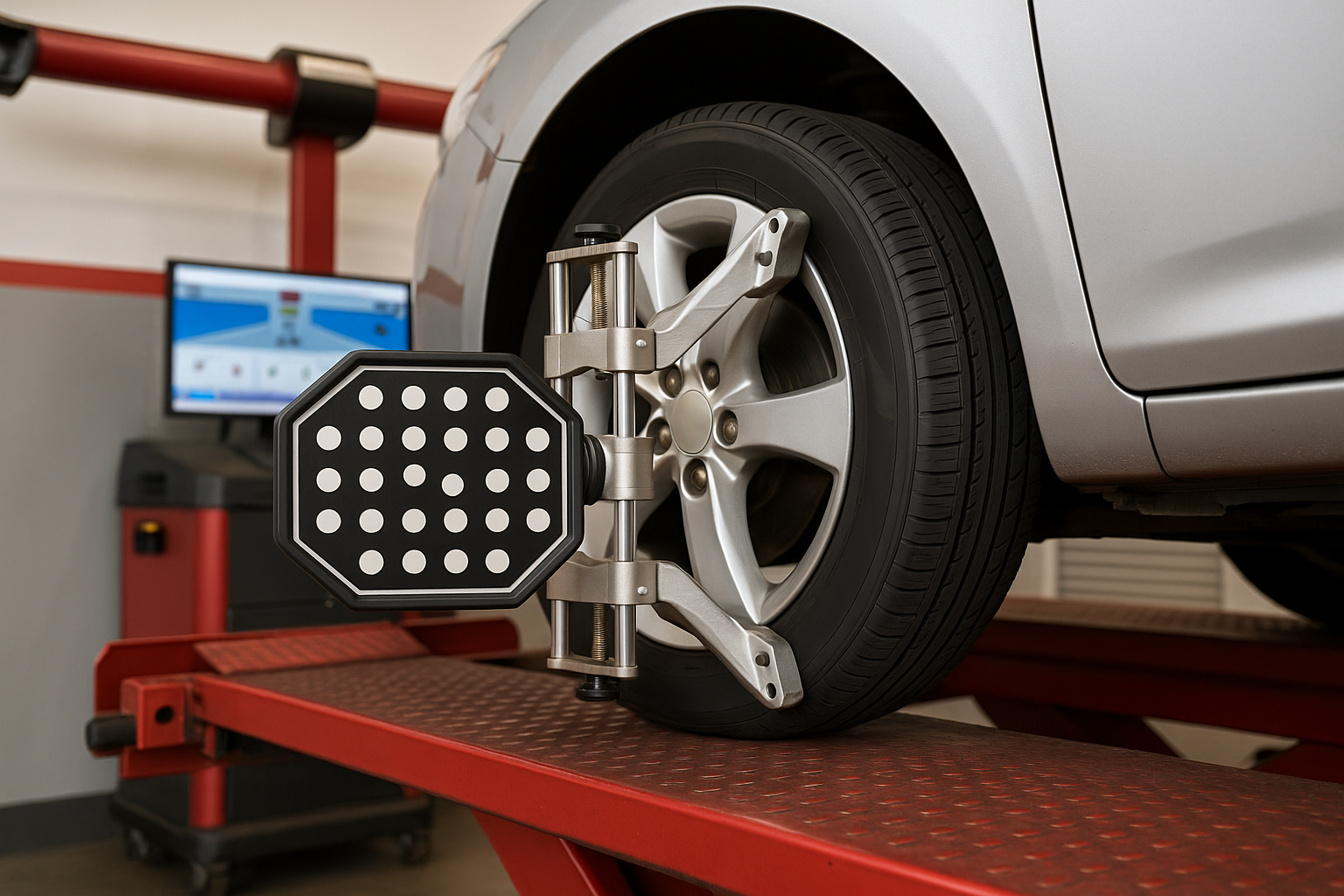
Did you know that improper wheel alignment can shorten your tire lifespan by thousands of miles and dramatically impact fuel efficiency? Despite this, it's one of the most commonly overlooked services in routine vehicle care. If your car starts pulling to one side, your steering wheel seems off center, or your tires are wearing unevenly, chances are your alignment is off. At Musser Automotive in Bowling Green, KY, our certified team helps local drivers correct these issues before they become serious (and expensive) problems. When you're looking for expert tire alignment in Bowling Green KY, trust a shop that prioritizes transparency, technology, and top tier service.
What Is Wheel Alignment and Why It Matters
Wheel alignment refers to adjusting the angles of your vehicle’s wheels so they are set to the manufacturer’s specifications. These adjustments impact how your tires meet the road and play a critical role in your car’s steering, handling, and overall safety. Contrary to what many drivers think, alignment doesn’t involve adjusting the tires or wheels themselves. It’s about calibrating the suspension system.
When alignment is spot on, your vehicle drives straight, your tires wear evenly, and your fuel efficiency improves. Poor alignment, on the other hand, can lead to difficult steering, premature tire wear, and increased fuel consumption. For drivers navigating the varied terrain of Bowling Green and surrounding areas like Shawnee Estates or Old Stone, maintaining proper wheel alignment ensures a smoother, safer ride.
In addition to improving driving dynamics, regular alignment checks are a preventative measure that helps identify underlying issues with your suspension before they become serious. When performed by a certified technician, alignment checks often reveal other wear and tear problems, helping you stay ahead of costly repairs. To explore all of our recommended maintenance options, including routine services that support alignment and suspension performance, visit our Auto Maintenance Services page. For reliable suspension repair in Bowling Green, Musser Automotive offers comprehensive diagnostics and expert service.
Common Causes of Misalignment
Alignment issues can stem from a variety of everyday road occurrences. Some of the most frequent causes include:
- Potholes: Common in Kentucky, especially after a harsh winter or heavy rainfall.
- Hitting Curbs: A slight bump while parking or turning can knock alignment off.
- Worn Suspension Parts: Over time, normal wear and tear on shocks, struts, and control arms can affect wheel alignment.
- Minor Accidents: Even low impact collisions can shift wheel angles subtly but significantly.
- Heavy Loads or Towing: Carrying excessive weight, especially over long distances, can affect your suspension system and gradually alter your vehicle’s wheel alignment, leading to increased tire wear and handling issues.
These alignment shifts may go unnoticed at first but can worsen over time if not corrected. At Musser Automotive, we’ve seen it all and we know how to catch issues early. Our front end alignment services in Bowling Green KY use precise digital diagnostics to ensure accuracy and long term performance.
How to Know Your Wheels Are Out of Alignment
It’s not always easy to know when your wheels are misaligned. However, there are several red flags every driver should watch for:
- Your car pulls to one side even when driving straight.
- The steering wheel is crooked when your wheels are straight.
- You notice uneven or rapid tire wear.
- Your steering feels loose or wobbly.
- You feel vibrations while driving, particularly at higher speeds.
- Your fuel economy has dropped for no apparent reason.
- Your car has recently undergone suspension or steering repairs.
If you notice any of these symptoms, don’t wait. Misalignment can cause other components to wear out faster, leading to even more costly repairs. For extensive issues that go beyond routine maintenance, you can learn about our complete repair capabilities by visiting our Major Auto Repair page. Ignoring these signs could mean putting your safety at risk, especially on wet or winding Kentucky roads.
Risks of Ignoring Alignment Problems
Ignoring wheel alignment problems may seem like a small issue at first, but the consequences can stack up quickly. Misaligned wheels force your tires to work against each other, causing uneven wear and reducing their lifespan. This means more frequent replacements and less grip when you need it most.
In addition, poor alignment can strain your steering and suspension systems, increasing the risk of component failure. This affects not only your safety but also your vehicle’s resale value and performance. At Musser Automotive, we’ve helped countless Bowling Green drivers avoid these pitfalls with quick, accurate alignments using advanced diagnostic tools.
Alignment issues can also impact your ability to pass safety inspections or maintain warranties. Many manufacturers require proof of regular maintenance, including wheel alignment, to keep coverage active. Staying proactive with your alignment could save you thousands over your vehicle’s lifetime.
Get Aligned with Musser Automotive
Your car’s alignment plays a bigger role in performance and safety than most drivers realize. The good news? It’s easy to stay ahead of problems with regular checks, especially if you notice any warning signs. Whether you’re commuting to Western Kentucky University or navigating the hills of Plum Springs, Musser Automotive is here to keep your ride smooth, safe, and efficient.
With over a decade of trusted service, Musser Automotive combines honesty, expertise, and state of the art technology to ensure every vehicle we touch gets the care it deserves. Our ASE certified team is happy to explain the results of your alignment check and make recommendations based on your budget and long term vehicle goals. Don't wait. Get your wheel alignment fixed by the experts at Musser Automotive today!
📞 Call us now: (270) 904 0267
🌐 Visit us online: www.musserautomotive.com
📍 Stop by the shop: 1343 Old Louisville Rd, Bowling Green, KY 42101
Our certified team is ready to help you drive straighter, safer, and with total peace of mind.
Frequently Asked Questions (FAQ)
Q: How often should I get a wheel alignment?
A: It’s recommended to check your alignment annually or every 12,000 miles, whichever comes first. If you notice symptoms like pulling or uneven wear, get it checked sooner.
Q: How long does a wheel alignment take at Musser Automotive?
A: Most alignments take about 30 to 60 minutes. Our team uses advanced tools to ensure accuracy and efficiency.
Q: Is wheel alignment really necessary if my car feels fine?
A: Yes. Small misalignments can lead to long term damage even if you don’t notice immediate symptoms. Regular checks help protect your investment.
Q: What does a wheel alignment cost in Bowling Green KY?
A: Costs vary depending on the vehicle and condition, but Musser Automotive offers transparent pricing and will walk you through the process before any work begins.
Q: Does Musser Automotive handle suspension repair too?
A: Absolutely. In addition to wheel alignment, we specialize in suspension repair, diagnostics, and comprehensive auto services for all makes and models.
Optimize your car's performance with expert oil changes at Musser Automotive in Bowling Green, KY. Clean oil maintains vehicle health. Visit us today!
Discover expert brake services at Musser Automotive in Bowling Green, KY. Ensure safety and performance with our knowledgeable team. Schedule an online appointment now!
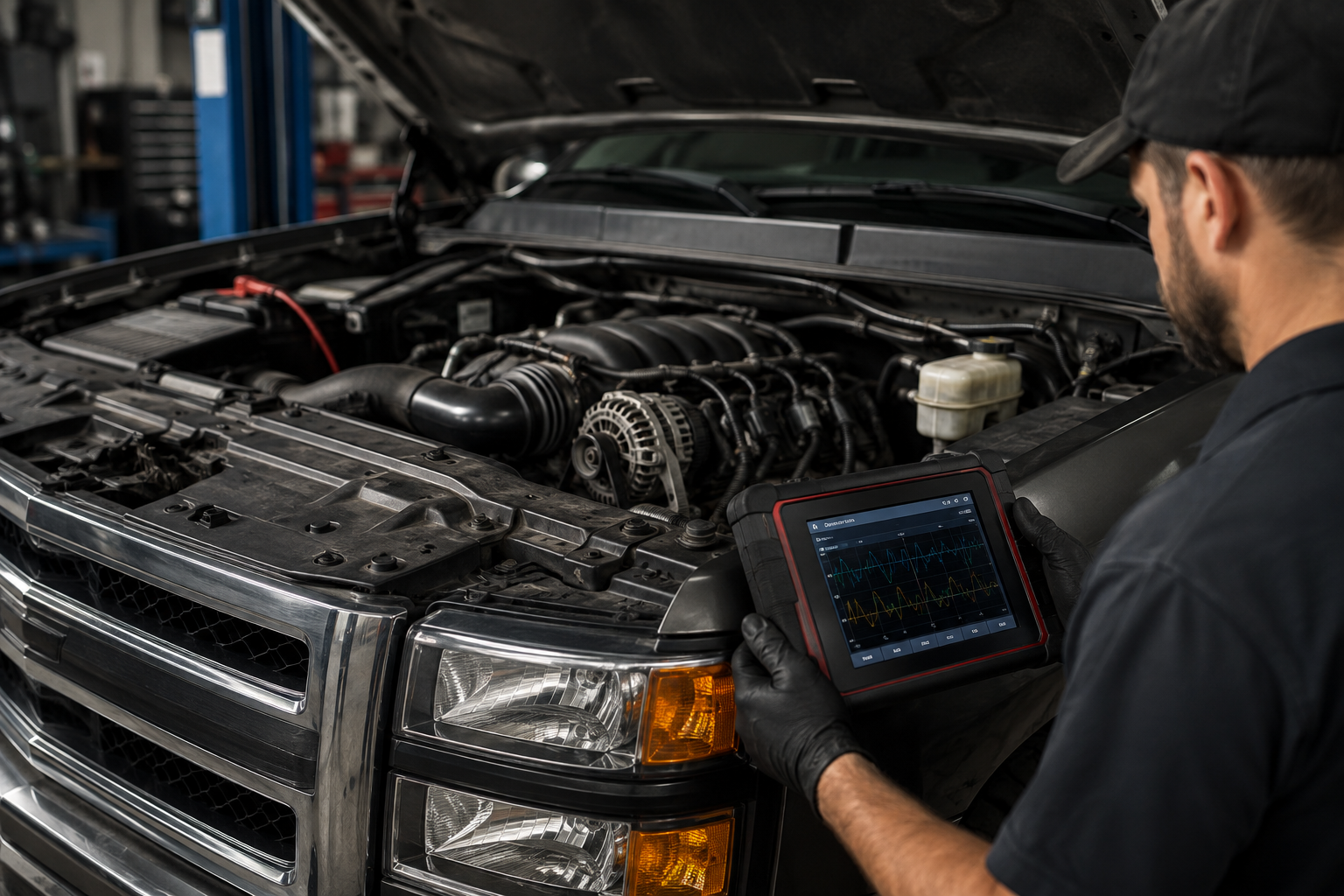
Chevrolet Silverado 5.3L Ticking Noise: What It Means and What to Do At Musser Automotive in Bowling Green, KY, diagnosing ticking noises in Chevrolet Silverado 5.3L V8 engines is something our ASE Certified technicians handle on a regular basis. As a trusted auto repair shop in Bowling Green, KY, we focus on accurate diagnosis and clear communication from the start. As a AAA Approved auto repair shop, our approach is always the same: identify the root cause first, then explain the situation clearly so you can make an informed decision based on facts—not guesswork. If you’ve started hearing a ticking noise coming from your Silverado, you’re not alone—and more importantly, it doesn’t automatically mean your engine is failing. This is one of the most common concerns truck owners bring into our shop, especially in an area where vehicles are driven daily and often accumulate high mileage. The challenge is that several completely different components can produce a similar ticking sound. Some of these are normal operating characteristics, while others can point to a problem that needs attention sooner rather than later. This guide will walk you through what’s actually happening under the hood, what experienced technicians look for, and when it’s time to have your truck inspected. Which Chevrolet Silverado 5.3L Engine Do You Have? Not all 5.3L V8 engines are exactly the same, and understanding which version is in your Silverado helps explain why certain issues are more common than others. Over the years, General Motors has made several updates to this engine platform, including the addition of Active Fuel Management and later Dynamic Fuel Management systems. Earlier versions of the 5.3L were known for their simplicity and durability, while newer engines introduced cylinder deactivation technology to improve fuel efficiency. While these systems work well under normal conditions, they also introduce additional components that can contribute to ticking noises if something begins to wear or fail. For many Silverado owners, the distinction matters because a ticking noise on an older engine may point to a completely different cause than the same sound on a newer model. This is one of the reasons experienced technicians start with identifying the engine type before making any assumptions. Common Causes of a Ticking Noise in a Silverado 5.3L A ticking noise can come from several areas of the engine, and not all of them are cause for concern. One of the most common normal sounds is fuel injector operation. Modern engines use high-pressure fuel systems, and the injectors can create a consistent ticking sound that is completely normal, especially at idle. Another relatively common source is an exhaust manifold leak. Many drivers searching for Chevrolet Silverado repair in Bowling Green, KY are often dealing with this exact issue, since it can closely mimic more serious internal engine problems. On Silverado trucks, it’s not unusual for exhaust manifold bolts to loosen or break over time. When this happens, exhaust gases escape and create a ticking noise that often sounds very similar to internal engine issues. This type of noise is usually more noticeable on a cold start and may become quieter as the engine warms up. More serious causes include issues within the valve train, such as lifter failure or camshaft wear. The 5.3L engines equipped with Active Fuel Management are known for occasional lifter-related problems, which can create a sharper, more consistent ticking sound. In these cases, the noise typically does not go away as the engine warms up and may be accompanied by performance issues. Low oil pressure or poor oil condition can also contribute to ticking noises. Since the valve train relies on proper lubrication, any interruption in oil flow can cause components to make noise. This is why checking oil condition and level is always part of an initial inspection. The important thing to understand is that these causes vary widely in severity. Some are normal, some require attention, and others need immediate diagnosis to prevent further damage. How Professional Diagnostics Identify the Source of the Noise Diagnosing a ticking noise properly is where experience makes a significant difference. At Musser Automotive, the process starts with understanding the conditions under which the noise occurs. Whether it happens during a cold start, at idle, or under acceleration provides valuable clues before any tools are even used. From there, a technician performs a thorough inspection, checking oil level and condition, looking for visible exhaust leaks, and evaluating engine components that could produce similar sounds. Listening techniques, including the use of a mechanic’s stethoscope, help pinpoint whether the noise is coming from the top of the engine, the exhaust system, or an accessory component. Advanced scan tools are also used to monitor engine data in real time. This can reveal issues such as misfires, cylinder deactivation irregularities, or oil pressure concerns that may not be immediately obvious. In some cases, additional testing is required to confirm the root cause before any repair recommendations are made. This is where professional engine diagnostics in Bowling Green, KY become critical. Replacing parts without confirming the source of the noise often leads to unnecessary repairs and added expense. Experienced technicians focus on identifying the cause first, ensuring that the correct repair is performed the first time. When Should You Be Concerned About a Ticking Noise? Not every ticking noise requires immediate action, but there are situations where it’s important not to wait. If the sound becomes louder over time, is accompanied by a loss of power, or is paired with a check engine light, it’s best to have the vehicle inspected as soon as possible. A ticking noise that changes dramatically with engine speed or remains constant regardless of temperature can also indicate a more serious issue. In contrast, a noise that is only present during a cold start and fades quickly may point to something less severe, such as an exhaust manifold leak. Ignoring a ticking noise without understanding its cause can lead to more expensive repairs down the road. For example, a minor exhaust issue can develop into a larger problem if left untreated, and internal engine issues can worsen if proper lubrication or component function is compromised. Preventative maintenance plays a key role here. Regular oil changes using the correct specification, along with routine inspections, can help reduce the likelihood of many common issues. When something does sound unusual, having it checked early often saves both time and money. Frequently Asked Questions About Silverado Engine Ticking Many Silverado owners have similar concerns when they hear a ticking noise, and these questions often come up during service visits. A common question is whether injector ticking is normal. In many cases, it is, especially on newer engines with high-pressure fuel systems. However, distinguishing between normal operation and a developing issue requires experience. Another frequent concern is whether it’s safe to continue driving. The answer depends entirely on the cause. Some noises are harmless, while others indicate problems that should be addressed immediately. Without proper diagnosis, it’s difficult to know which category a noise falls into. Drivers also ask whether thicker oil can solve a ticking noise. While it might temporarily mask certain sounds, it does not address the underlying cause and is not considered a reliable solution. It’s also common to wonder whether an exhaust leak can sound like engine damage. In many cases, it can. This is one of the most frequent sources of confusion and highlights why accurate diagnosis is so important. Finally, many owners ask about repair costs. The range can vary significantly depending on the cause, which is why identifying the issue early is the best way to avoid unnecessary expenses. For additional safety guidance and recalls that may relate to vehicle concerns, you can also review NHTSA vehicle safety information . Schedule Professional Silverado Diagnostics in Bowling Green, KY A ticking noise in your Chevrolet Silverado’s 5.3L V8 can mean several different things, ranging from completely normal operation to a condition that requires prompt attention. The key is not to assume the worst or ignore the sound, but to understand what’s happening and have it evaluated properly. At Musser Automotive in Bowling Green, KY, our ASE Certified technicians focus on accurate diagnostics first, ensuring that every recommendation is based on real findings rather than guesswork. As a trusted auto repair shop in Bowling Green, KY, we specialize in Chevrolet Silverado repair and diagnosing complex engine concerns like ticking noises. Whether the issue turns out to be minor or something more involved, the goal is always to provide clear explanations and honest guidance. If your Silverado has developed a ticking noise and you’re not sure what it means, the best next step is to have it professionally inspected by technicians who work on these engines every day. If repairs are needed, they should be based on accurate diagnostics to address the problem correctly and help prevent further damage. To schedule an inspection or speak directly with our team, visit our Contact Us page or call us at (270) 904-0267. Acting early can make all the difference in keeping your truck running reliably for years to come.
Discover expert insights into major auto repair at Musser Automotive in Bowling Green, KY. Your trusted partner for comprehensive vehicle maintenance. Call us today!
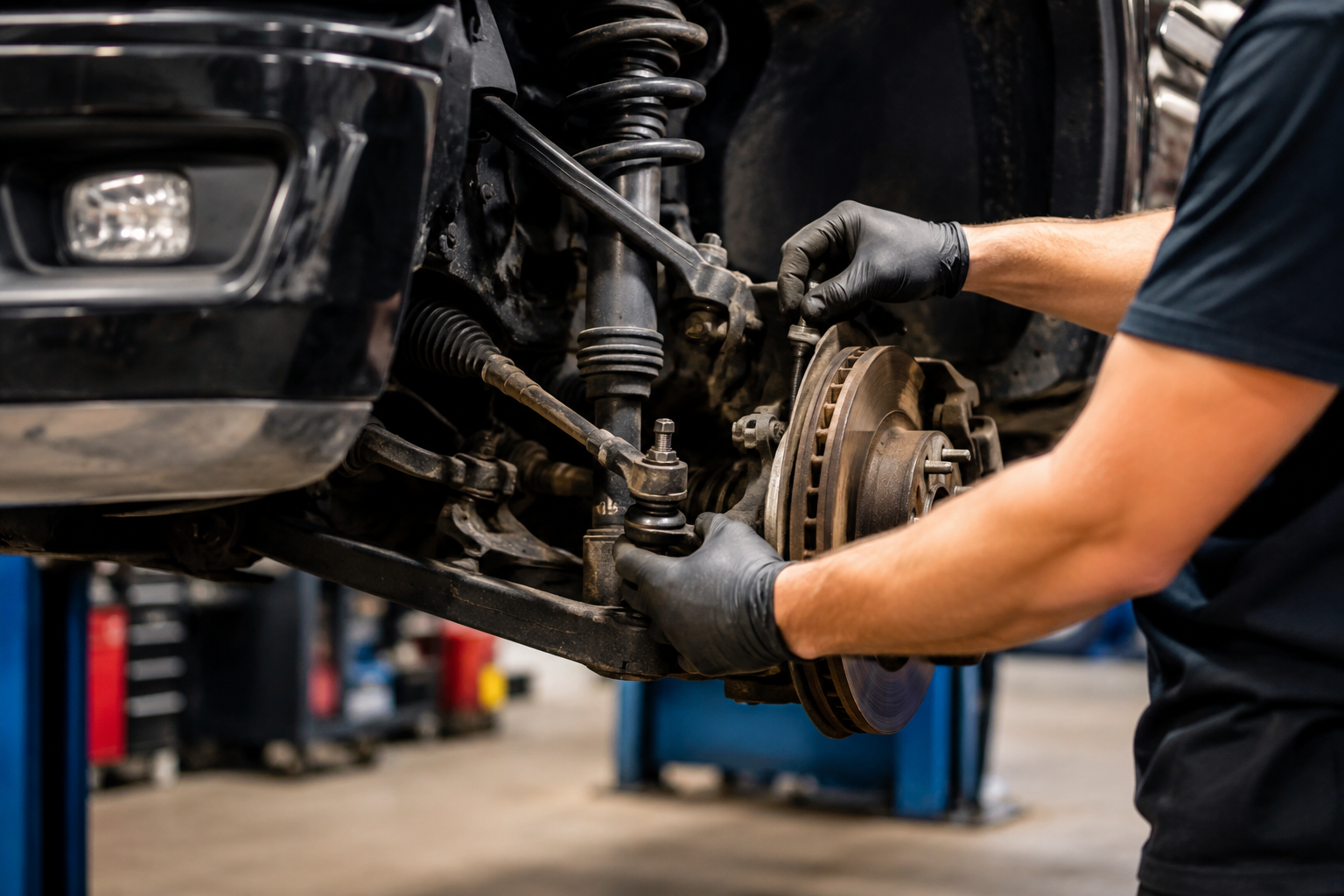
At Musser Automotive in Bowling Green, KY, we work with truck owners every day who rely on their vehicles for work, travel, and daily driving. When something as critical as steering starts to feel loose, it’s not just uncomfortable, it’s a concern for safety. As an ASE-certified and AAA-approved shop, our focus is always on diagnosing the root cause of a problem before recommending any repairs. With modern GMC Sierra trucks, steering issues often involve more than just worn parts. They require a precise, experience-driven approach to identify what’s actually failing and why. Over the years, we have seen a consistent pattern with steering and suspension issues on GMC Sierra models. What starts as a minor noise or slight looseness often develops into a more noticeable handling problem. If your GMC Sierra steering feels loose, especially when driving over bumps or uneven roads, there are several common front-end components that could be worn out. Understanding what’s happening and getting the issue properly diagnosed can prevent further damage and keep your truck safe on the road. Symptoms of Loose Steering in GMC Sierra Trucks If you hear a clunk every time you hit a bump or feel the steering wheel shift slightly in your hands, there’s a strong chance a front-end suspension component is worn and beginning to fail. Drivers often describe loose steering in different ways, but in our experience, there are consistent patterns. You may notice a clunking or knocking noise when driving over bumps, a vague or wandering feeling while steering, or a lack of responsiveness when turning the wheel. A sharp clunk over bumps often points to worn sway bar links, while a deeper knocking sound during turning can indicate ball joint wear or control arm issues. These symptoms can become more noticeable at lower speeds or when driving on rough or uneven surfaces. In some cases, drivers also report that the steering feels less stable at highway speeds, requiring constant small corrections to keep the vehicle straight. This can be especially concerning when hauling or towing, which is common for GMC Sierra owners. The steering may not feel tight or predictable, which reduces overall confidence behind the wheel. In many situations, the issue starts gradually and becomes worse over time. What begins as a minor noise can develop into noticeable play in the steering system. This is why early inspection is important. Small problems in the suspension system rarely stay small, and addressing them early can prevent more expensive repairs later. Common Front-End Components That Wear Out What we commonly see in our shop is that loose steering is usually caused by wear in key suspension and steering components. Sway bar links are one of the most frequent culprits. When these wear out, they create a distinct clunking noise when driving over bumps and can make the front end feel less stable. Control arm bushings are another common failure point. These bushings are designed to absorb movement and vibration while keeping the suspension aligned. Over time, they break down due to heat, road conditions, and normal wear. When this happens, it leads to excess movement and instability in the front end. Ball joints and tie rods also play a critical role in steering precision. These components connect and control the movement of the wheels. When they wear, they introduce looseness into the steering system, which can lead to wandering, uneven tire wear, and reduced control. Struts and strut mounts can also contribute to noise and handling issues. While many drivers assume struts are the primary issue, we often find that smaller components like bushings or sway bar links are actually responsible for the noise. This is why a proper inspection is so important before replacing parts. What We Commonly See in the Shop In our experience diagnosing GMC Sierra trucks, these issues tend to appear most often in vehicles with higher mileage, typically between 80,000 and 150,000 miles. However, driving conditions play a major role. Trucks used for towing, hauling, or driving on rough roads tend to experience suspension wear more quickly. A frequent issue we diagnose is worn sway bar links being mistaken for more expensive repairs. Many trucks come in after parts like struts or shocks have already been replaced unnecessarily. Without a proper inspection, it’s easy to misidentify where the noise is actually coming from. We also commonly see multiple components wearing at the same time. For example, worn bushings combined with loose tie rods can create a more noticeable steering problem than either issue alone. This is why a full front-end inspection is critical rather than focusing on just one part. This is where proper testing becomes essential. Modern steering systems rely on more than just mechanical parts, often integrating sensors and electronic components that affect overall performance. In some cases, accurately identifying the issue may require advanced electrical diagnostics in Bowling Green, KY to evaluate related systems and ensure nothing else is contributing to the problem. Common Misdiagnoses That Cost You Money One of the biggest issues we see is misdiagnosis. It’s common for shops to replace struts or shocks when the real problem is a much smaller component like a sway bar link or control arm bushing. This leads to unnecessary expenses and doesn’t solve the original problem. Another common mistake is ignoring worn bushings or assuming the noise is harmless. While some noises may seem minor, they often indicate that a component is beginning to fail. Waiting too long can cause additional wear on other parts of the suspension system, increasing the overall repair cost. Catching these issues early is almost always less expensive than allowing multiple components to wear out at the same time. In many cases, customers come to us after already spending money on repairs that didn’t fix the issue. This is why a diagnostic-first approach is so important. Identifying the root cause ensures that the repair is accurate and prevents repeated visits for the same problem. When Loose Steering Becomes a Safety Concern Loose steering is not just a comfort issue, it directly impacts vehicle control. As components continue to wear, steering response becomes less predictable. This can affect your ability to handle sudden movements, maintain control at higher speeds, and respond quickly in emergency situations. Even small amounts of play in the steering system can become dangerous over time. What starts as a slight looseness can turn into a noticeable delay in response when turning the wheel. This is especially important for larger vehicles like the GMC Sierra, where control and stability are critical. According to vehicle safety standards and steering system requirements , maintaining proper steering system integrity is essential for safe vehicle operation. Ignoring these issues can increase the risk of further damage or even component failure. In more advanced cases, worn components can lead to larger system failures that require major auto repair in Bowling Green, KY . Addressing the issue early helps prevent more extensive repairs and ensures your vehicle remains safe to drive. FAQ Why does my GMC Sierra steering feel loose when driving over bumps? Loose steering over bumps is most often caused by worn suspension components such as sway bar links, control arm bushings, or ball joints. These parts absorb movement and maintain stability, and when they wear out, you may feel play or hear clunking noises. Is it safe to drive with loose steering? Driving with loose steering is not recommended. While it may feel minor at first, it can quickly affect your ability to control the vehicle, especially during sudden maneuvers or at higher speeds. It’s best to have it inspected as soon as possible. How much does it cost to fix loose steering on a GMC Sierra? The cost depends on which components are worn. Smaller parts like sway bar links or bushings are typically less expensive, while larger repairs involving multiple components can cost more. A proper inspection ensures you only pay for what actually needs to be fixed. Get Your Steering Checked by a Trusted Local Shop Most steering issues we see weren’t caught early. They were ignored until the looseness became more noticeable or began affecting safety. If your GMC Sierra steering feels loose or you’re hearing clunking noises over bumps, the problem should be diagnosed before it gets worse. At Musser Automotive, we take a consultative approach to every repair, making sure you understand what’s happening with your vehicle before any work is performed. Our team specializes in suspension repair, diagnostics, and complex vehicle issues, and we are committed to providing honest, accurate recommendations. Serving Bowling Green, KY and surrounding areas, we focus on fixing the problem correctly the first time. If you’re ready to get your vehicle inspected, you can schedule a steering and suspension inspection in Bowling Green or call us directly at (270) 904-0267 .
Enhance your vehicle's performance with expert electrical diagnostics at Musser Automotive in Bowling Green, KY. Visit us today!

Recurring check engine light in your Ford or Chevy? Learn how Musser Automotive in Bowling Green diagnoses P0171 codes correctly and prevents costly engine damage.
Discover expert auto maintenance tips from Musser Automotive in Bowling Green, KY. Optimize vehicle performance and longevity. Schedule an online appointment now!

A small brake problem can quickly become rotor damage, caliper failure, reduced stopping ability, or a dangerous emergency situation if ignored.

Most drivers don’t notice a problem at a convenient time. It usually shows up at the end of the day, when everything is already closed.